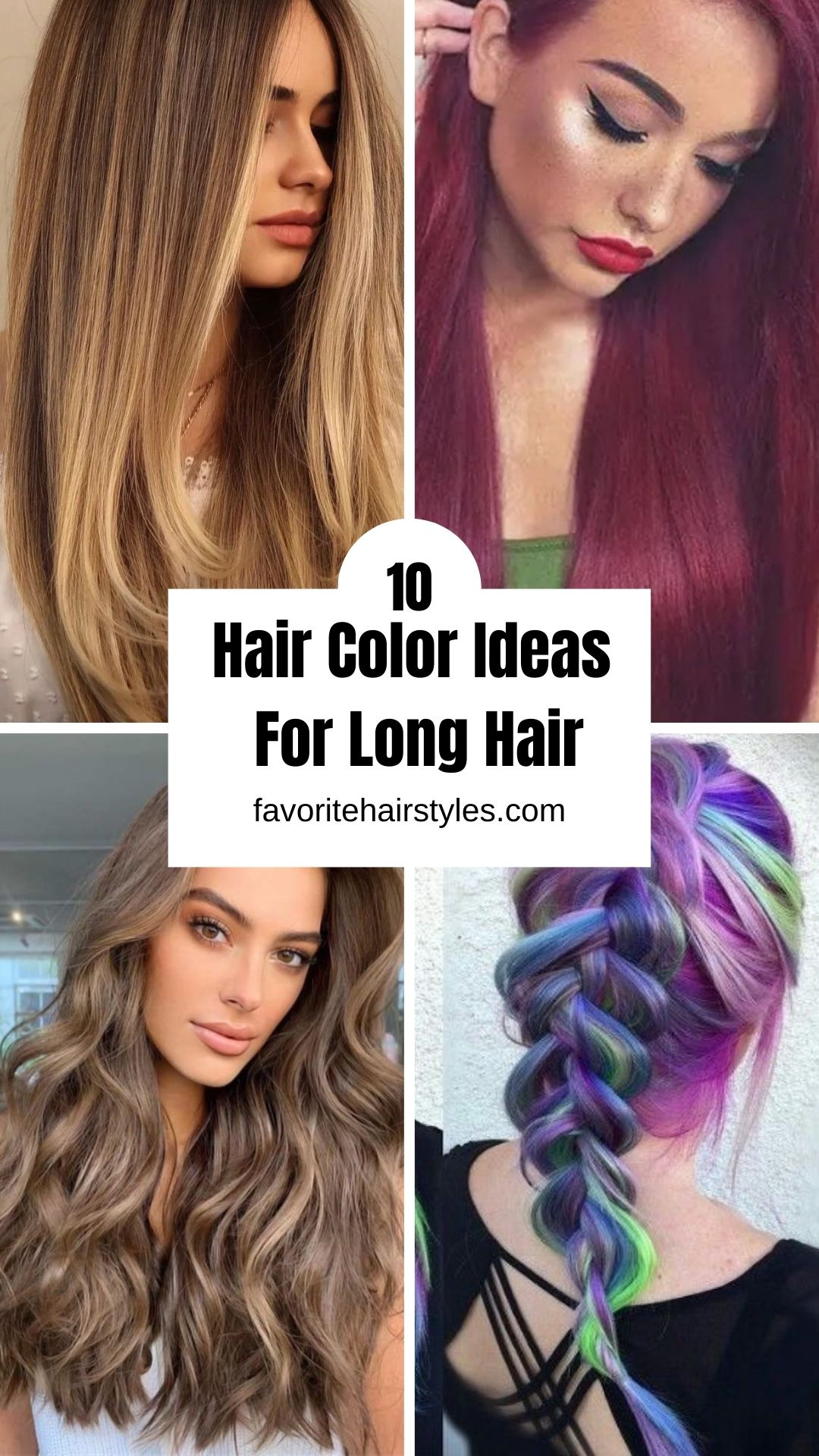
Long hair provides a vast canvas for colorists, acting as a structural narrative where placement, dimension, and saturation define the overall aesthetic. As we move through 2026, the focus in professional colorimetry has shifted from extreme, high-maintenance contrast toward hyper-realistic, low-impact blending techniques that emphasize hair health and structural integrity. Whether you are transitioning to a new seasonal palette or looking for a long-term maintenance strategy, understanding the technical application of these trends is essential for achieving a high-end finish.
Advanced Color Placement Techniques for Maximum Dimension
The hallmark of a modern 2026 long-hair color profile is movement. With greater length, hair often appears denser or flatter if the color is applied uniformly. To counteract this, expert colorists are moving away from traditional global highlights in favor of multi-dimensional placements that respect the hair’s natural growth pattern and light reflection.
- Customized Face-Framing Tones: Utilizing a brighter saturation around the frontal perimeter creates a natural contouring effect. In 2026, the trend leans toward ribboning, where larger sections of light are woven into the hair to provide a sun-kissed, natural transition.
- Dimensional Balayage 2.0: Moving past the harsh ombre styles of the past, contemporary balayage involves a transition of at least three distinct shades—base, mid-tone, and highlight—to ensure that as the hair grows, the regrowth remains seamless.
- Root Smudging and Shadow Rooting: These techniques are mandatory for long-hair clients seeking to extend the time between salon visits. By diffusing the line of demarcation with a custom-mixed base color that mimics the natural root shade, we minimize the harsh regrowth contrast that usually occurs at the four-week mark.
Assessing Your Hair Integrity and Color Readiness
Before committing to a major color change, it is vital to perform a diagnostic evaluation of your hair’s current health. Long hair is inherently more susceptible to cuticle erosion and protein degradation due to its age. In 2026, salon standards mandate a structural analysis before any chemical service.
Professional Assessment Standards
Porosity Testing High porosity hair often results from previous chemical services or heat damage. Before applying permanent color, colorists must use a pH-balancing pre-treatment to ensure the hair cuticle accepts pigment evenly, preventing patchy results or excessive swelling of the hair shaft.
Elasticity Evaluation If your hair lacks the ability to stretch and return to its natural state, it is likely too fragile for high-lift bleaching agents. In these cases, we prioritize semi-permanent glosses or low-ammonia, oil-based systems that nourish while depositing color, rather than stripping the underlying pigment.
Comparative Analysis of 2026 Color Profiles
Choosing the right technique depends on your hair’s texture, your maintenance budget, and your lifestyle. The following table compares common 2026 application methods based on professional technical requirements.
| Technique | Maintenance Frequency | Technical Complexity | Primary Benefit |
|---|---|---|---|
| Hand-Painted Balayage | 12-16 Weeks | High | Low maintenance, natural grow-out |
| Dimensional Highlights | 8-10 Weeks | Moderate | Brightness and texture emphasis |
| Global Glaze (Gloss) | 4-6 Weeks | Low | Shine and tone enhancement without lifting |
| Airtouch Blending | 16-20 Weeks | Very High | Ultimate seamless transition and depth |
| Money Piece Refresh | 6-8 Weeks | Moderate | Immediate brightening effect near the face |
The Role of pH-Neutral Color Systems in 2026
The professional standard for the current year emphasizes the transition toward "Clean Color." This does not merely refer to the exclusion of certain chemicals, but to the focus on pH-neutral, lipid-replenishing color formulations. For long hair, maintaining the acidic balance of the scalp and the structural integrity of the hair shaft is the difference between a dull, damaged appearance and a vibrant, healthy mane.
When choosing a color service, inquire about systems that incorporate bond-building technology directly into the developer. By cross-linking the disulfide bonds during the color process, you minimize breakage—a common risk when working with the extreme lengths often associated with long hair. If you are opting for lighter shades, always ensure the colorist employs a slow-lift approach with a lower volume developer; this protects the hair’s internal structure, ensuring that the color holds better over time and retains its vibrancy.
Frequently Asked Questions for 2026 Hair Color Trends
What is the best way to maintain long hair color brightness in 2026? The most effective strategy is a combination of bi-weekly, at-home, color-depositing glosses and the use of thermal protectants. Using an acid-balanced shampoo specifically designed for treated hair helps seal the cuticle, locking in pigment and preventing fade caused by environmental factors like water hardness.
How often should I get a refresh for balayage on long hair? While balayage is designed for longevity, a "toner refresh" is recommended every 6 to 8 weeks to keep the hue true and prevent unwanted brassiness. A full root-to-end color application is usually only required every 12 to 16 weeks, depending on how quickly your natural root color transitions into the lighter ends.
Can I achieve a drastic color change on long hair without significant damage? It is possible if you utilize a slow-processing, multi-session approach. Attempting to lift dark hair to blonde in a single session often compromises the structural integrity of the hair ends, which are several years old. By opting for a phased approach, your colorist can monitor your hair’s response and ensure the health of the mid-lengths and ends remains intact.
Which 2026 color trends are best for fine, long hair? For fine hair, we recommend "Face-Framing Dimensional Lights" or "Low-Contrast Babylights." These techniques add the illusion of density and volume by creating subtle light reflections throughout the mid-lengths, which prevents the hair from appearing thin or weighed down by singular, heavy blocks of color.
What is the significance of "Acidic Toners" in modern hair color? Acidic toners are the gold standard in 2026 for toning because they do not lift the natural pigment of the hair. They simply deposit color and close the cuticle, resulting in significantly more shine and less structural stress compared to traditional alkaline, oxidative toners.
Strategic Maintenance and Aftercare
To ensure your investment in professional color yields long-term results, a strictly monitored home-care regimen is essential. By 2026, the shift is toward hyper-personalization. You should avoid standard drugstore products which often contain sulfates and waxes that build up on long strands, causing them to look heavy and dim. Instead, prioritize a routine that includes a weekly deep-conditioning mask with hydrolyzed proteins to bridge the gaps in the hair’s cortex. Always prioritize a consultation with a certified colorist to map out a long-term plan that accounts for your specific hair growth velocity and the current structural status of your strands. If you are ready to update your look, schedule a diagnostic consultation with a technician who specializes in the specific hair texture and color goals you have set for this year.