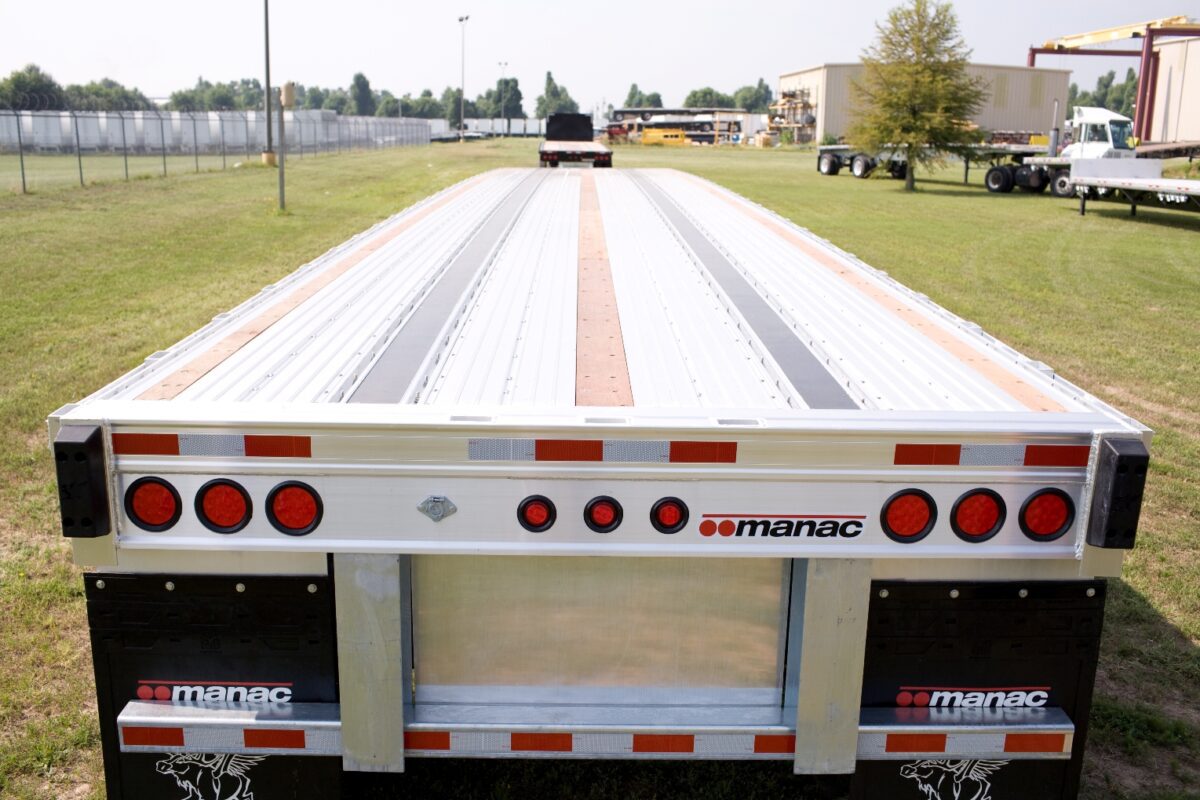
To rent a trailer in 2026, you must first verify your vehicle's maximum towing capacity and ensure it is equipped with the appropriate hitch receiver, ball mount, and wiring harness. Most rental agencies require a valid driver’s license, a credit card for a security deposit, and a minimum age of 18 or 25. Daily rates typically range from $20 for small utility trailers to over $150 for specialized car haulers or dump trailers.
Renting a trailer is a cost-effective solution for moving household goods, transporting vehicles, or hauling construction materials without the long-term overhead of ownership. However, the process involves more than simply picking up equipment. It requires a technical understanding of your vehicle's mechanical limits, the legal requirements for road safety, and the specific configurations needed for different types of cargo. This guide provides an exhaustive breakdown of the trailer rental landscape in 2026, ensuring you select the right equipment and operate it safely.
Determining Your Towing Requirements
Before contacting a rental company, you must establish the "why" and "how much" of your haul. The most common mistake in trailer rentals is underestimating the total weight, which can lead to transmission failure, brake overheating, or catastrophic swaying on the highway.
Understanding Weight Ratings
Every vehicle has a Gross Combined Weight Rating (GCWR), which is the maximum allowable weight of the fully loaded tow vehicle and the fully loaded trailer combined. You must also consider the Gross Vehicle Weight Rating (GVWR) of the trailer itself. This is the maximum weight the trailer is designed to carry, including its own empty weight (curb weight).
When calculating your needs, use the following formula: Curb Weight of Trailer + Weight of Cargo = Total Towing Load.
If your SUV is rated for 5,000 lbs and you rent a car hauler that weighs 2,200 lbs empty, you only have 2,800 lbs of capacity left for the vehicle you are towing. Exceeding these limits often voids rental insurance and can result in legal liability in the event of an accident.
Assessing the Hitch and Receiver
Most modern trucks and SUVs come with a factory-installed receiver, but many passenger cars do not. You must identify the Class of your hitch:
- Class I: Up to 2,000 lbs (Light utility trailers).
- Class II: Up to 3,500 lbs (Small boats, larger utility trailers).
- Class III: Up to 5,000 lbs (Standard for mid-size SUVs/trucks).
- Class IV: Up to 10,000 lbs (Large livestock or car haulers).
- Class V: Up to 12,000+ lbs (Heavy construction equipment).
The ball size is equally critical. The most common sizes are 1-7/8", 2", and 2-5/16". Using a 2" coupler on a 1-7/8" ball will result in the trailer detaching during transit. Always verify the coupler size of the rental unit before arriving.
Common Types of Rental Trailers
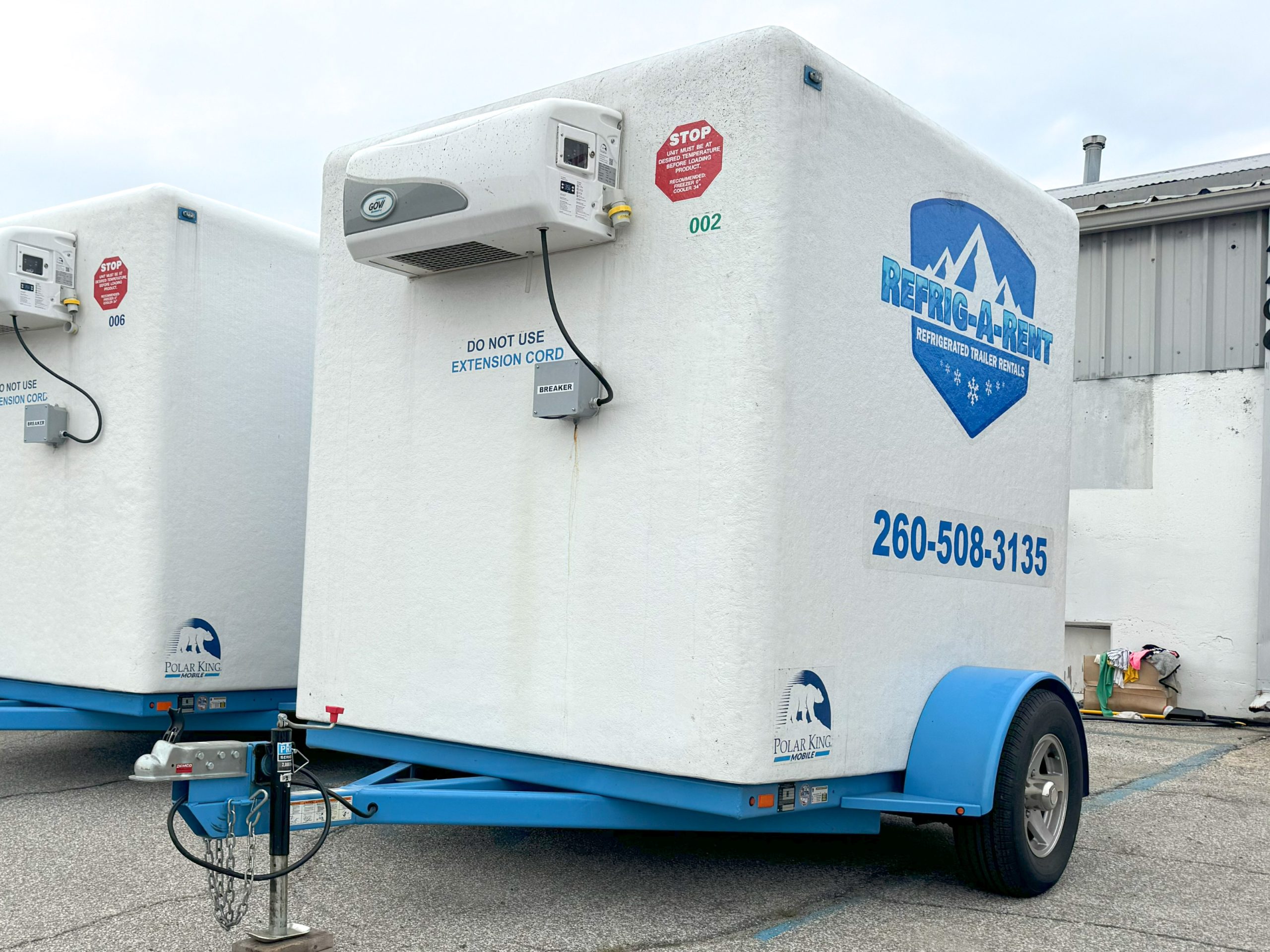
The market in 2026 offers a specialized variety of trailers designed for specific tasks. Selecting the wrong type can make loading difficult or leave cargo exposed to the elements.
Enclosed Cargo Trailers
Enclosed trailers are the primary choice for household moves. They provide protection from weather and theft. Standard sizes range from 4'x8' to 8'x15'. These trailers are aerodynamic but can act as a sail in high winds, requiring the driver to be vigilant about crosswinds. Most rental cargo trailers feature a rear swing door or a ramp door; the latter is preferable for heavy items on dollies.
Utility and Flatbed Trailers
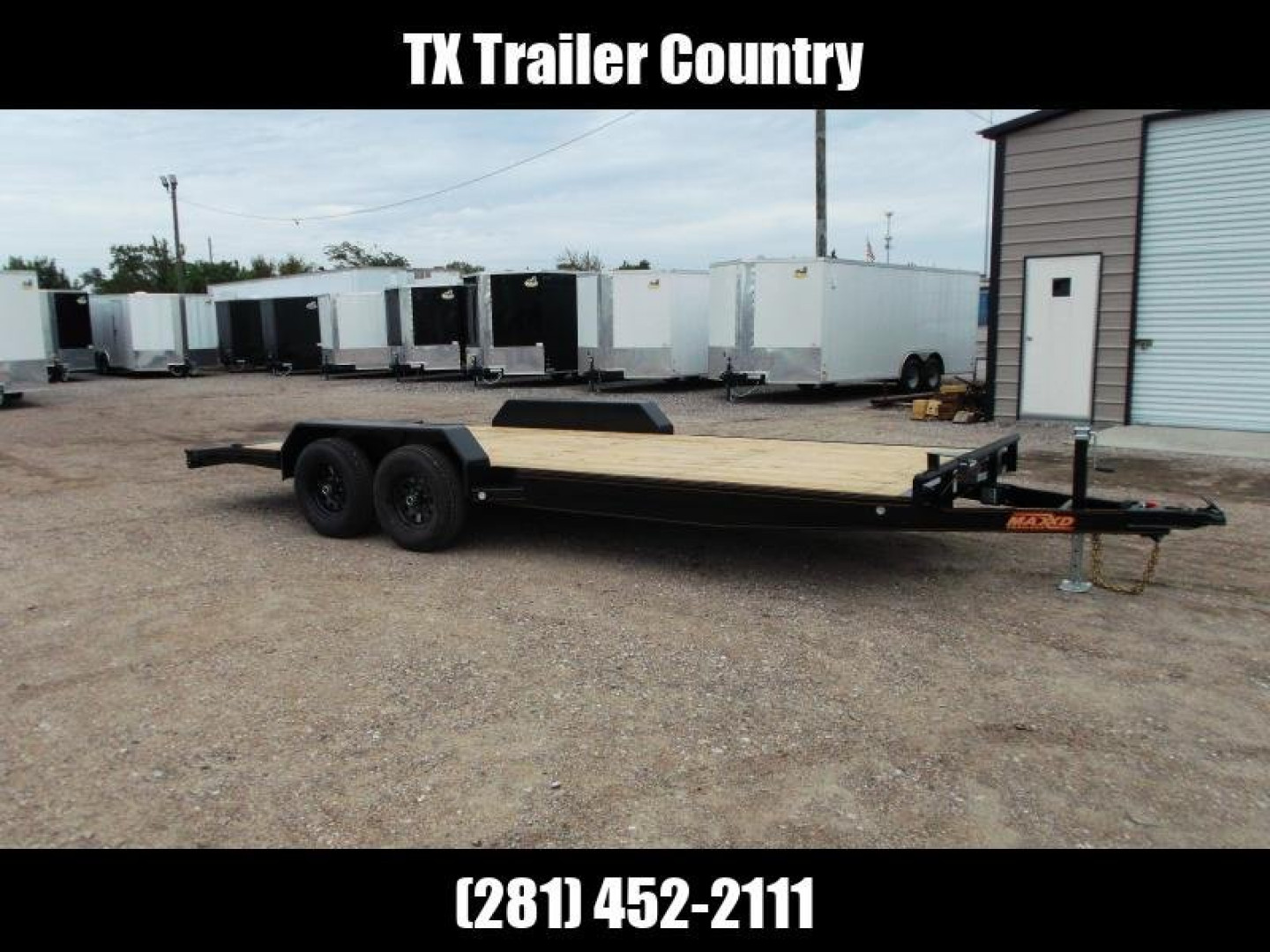
Utility trailers have an open top and are ideal for tall items, landscaping materials, or ATVs. Because they lack a roof, they are lighter and easier to tow for smaller vehicles. However, they require the user to be proficient in using ratchet straps and tarps. In many jurisdictions, any loose debris in an open trailer must be covered by a net or tarp by law to prevent road hazards.
Vehicle Transporters and Tow Dollies
If you need to move a car, you have two options:
- Tow Dolly: Only the front wheels of the towed vehicle are off the ground. This is lighter and cheaper but cannot be used for all-wheel-drive or rear-wheel-drive vehicles without disconnecting the driveshaft.
- Auto Transport (Full Trailer): The entire vehicle sits on the trailer. This is safer for long distances and preserves the towed vehicle's tires and transmission. These trailers almost always require a Class III hitch or higher.
Specialty Trailers
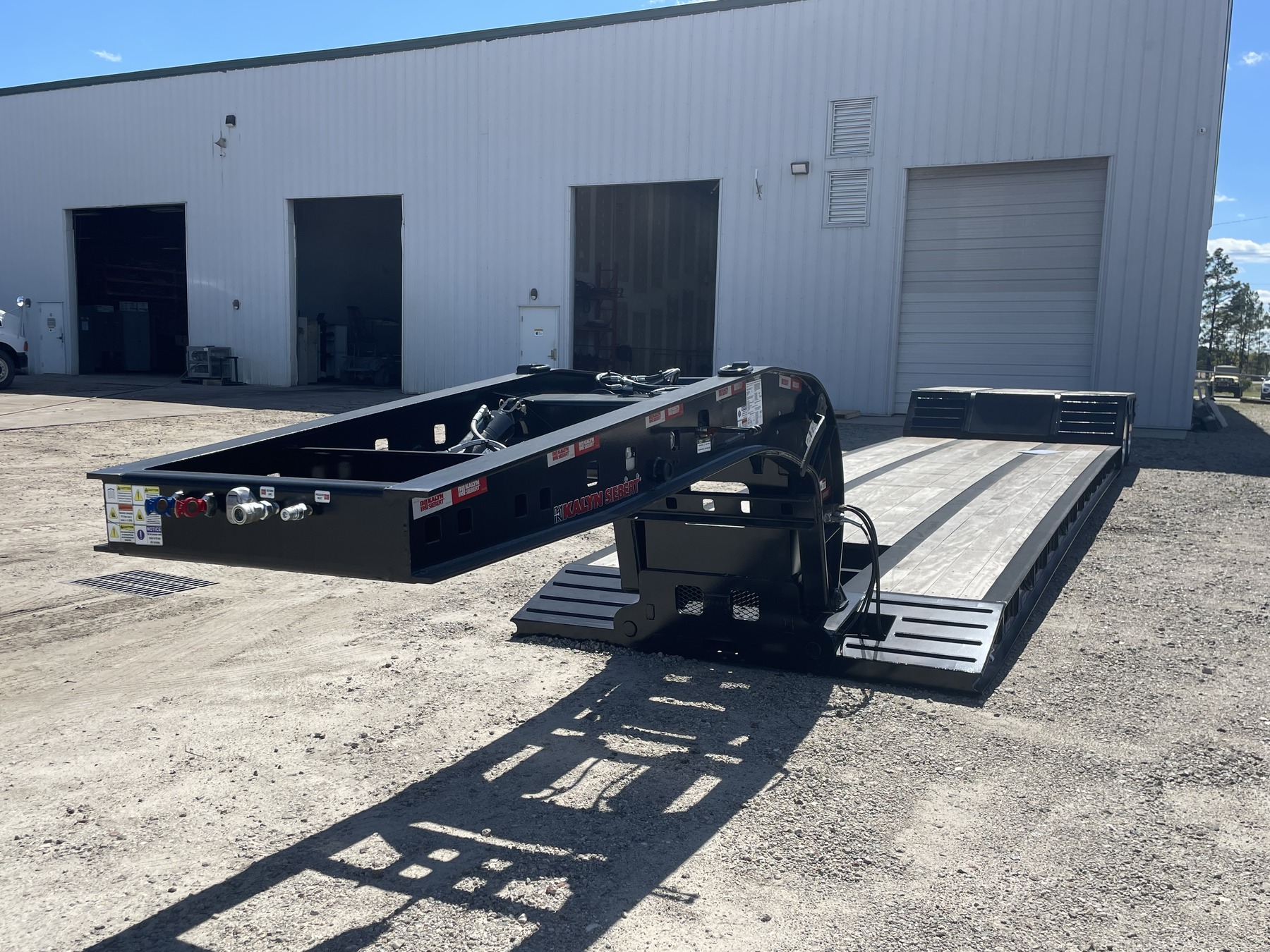
Many regional rental hubs now offer dump trailers for home renovation debris and "horse trailers" for livestock. Dump trailers utilize a hydraulic lift system, which requires the tow vehicle to provide auxiliary power or for the trailer to have an onboard battery.
The Rental Process and Legal Documentation
In 2026, most rental agreements have transitioned to digital formats, but the core requirements remain stringent.
Identification and Eligibility
To rent a trailer, you generally need:
- A government-issued driver’s license (Class D is sufficient for most consumer rentals).
- Proof of valid auto insurance for the tow vehicle.
- A major credit card or debit card (cash rentals are increasingly rare due to theft risks).
Some states and provinces require a specialized endorsement if the trailer's GVWR exceeds 10,000 lbs. Always check local Department of Transportation (DOT) regulations if you are moving heavy equipment across state lines.
The Pre-Rental Inspection
Never leave the rental lot without a documented "walk-around." Check the following:
- Tires: Look for dry rot, adequate tread depth, and proper inflation. Trailer tires often sit idle for long periods and are prone to flat spots.
- Lights: Verify that the turn signals, brake lights, and running lights are functioning. This requires a compatible wiring harness (4-way flat or 7-way round).
- Coupler and Safety Chains: Ensure the locking mechanism on the hitch is secure and that the safety chains are present and not excessively worn.
- Damage: Note any existing dents or scratches on the digital rental app to avoid being charged for "new" damage upon return.
Cost Analysis and Comparison Table
The cost of renting a trailer is influenced by the "rental model." Local moves are usually priced on a 24-hour flat rate, whereas one-way moves (dropping the trailer off at a different location) are priced based on the distance and the demand for equipment at the destination.
| Trailer Type | Typical Size | Daily Rate (Avg) | Best Use Case |
|---|---|---|---|
| Small Utility | 4' x 7' | $18.95 - $25.00 | Garden debris, small furniture |
| Enclosed Cargo | 6' x 12' | $30.00 - $45.00 | 1-2 room apartment move |
| Tow Dolly | Standard | $45.00 - $60.00 | Front-wheel drive car towing |
| Auto Transport | 15' - 20' | $60.00 - $110.00 | Heavy vehicle transport |
| Dump Trailer | 10' - 14' | $100.00 - $160.00 | Construction/Roofing debris |
Note: Prices reflect 2026 market averages and do not include optional insurance, taxes, or environmental fees.
Additional Fees to Consider
- Damage Waivers: Most personal auto insurance policies do not cover damage to the rented trailer itself, only the liability for damage the trailer causes to others. A Damage Waiver (usually $10-$30) covers the rental equipment.
- Late Fees: Trailers are often booked in tight windows. Returning a trailer even two hours late can result in a full second-day charge.
- Cleaning Fees: If you return a utility trailer full of mud or an enclosed trailer with trash, expect a cleaning surcharge of $25 to $75.
Operational Safety and Best Practices
Towing a trailer significantly alters the physics of your vehicle. Ignoring these changes is the leading cause of trailer-related accidents.
Proper Weight Distribution
The "60/40 Rule" is the most critical safety standard. You should place 60% of the cargo weight in the front half of the trailer (closer to the tow vehicle). If too much weight is placed in the rear, the trailer will experience "fishtailing" or sway, which can easily flip the vehicle at highway speeds.
Breaking and Turning
Trailer brakes come in two main types: Surge brakes (activated by the trailer's momentum pushing against the hitch) and Electric brakes (activated by a controller inside the cab). If you are renting a large trailer with electric brakes, your vehicle must have an integrated brake controller installed.
When driving:
- Increase Following Distance: Your stopping distance can double when towing a heavy load.
- Wide Turns: Trailers do not follow the exact path of the truck; they "cut" the corner. Take turns much wider than you would normally to avoid hitting curbs or other vehicles.
- The "Reverse" Rule: When backing up, place your hand at the bottom of the steering wheel. Moving your hand to the left will move the trailer to the left; moving it to the right will move the trailer to the right. Small movements are better than large ones.
Safety Chains and Breakaway Cables
Always cross your safety chains in an "X" pattern under the hitch. This creates a "cradle" that will catch the trailer tongue if it disconnects from the ball, preventing it from digging into the pavement and causing a flip. If the trailer has an emergency breakaway cable, ensure it is attached to the vehicle's frame, not the hitch itself.
Frequently Asked Questions
Do I need a special license to rent a trailer?
For the vast majority of consumer trailers (utility, cargo, car haulers), a standard Class D driver's license is sufficient. You only need a Commercial Driver's License (CDL) if the Gross Combined Weight Rating (GCWR) of the truck and trailer exceeds 26,001 lbs and the trailer itself is over 10,000 lbs. Always verify the specific weight ratings on the rental contract.
Can I rent a trailer for a one-way trip?
Yes, most national rental chains allow one-way rentals. This is typically more expensive than an "in-town" rental because the company must manage equipment logistics. One-way rates are usually calculated as a flat fee for a set number of days rather than a daily rate plus mileage.
Will my car insurance cover a rented trailer?
Generally, your existing liability insurance will extend to the trailer, meaning if the trailer hits another car, your insurance pays for that car's damage. However, comprehensive and collision coverage rarely extends to the physical rental equipment. It is highly recommended to purchase the rental company's protection plan to avoid paying for the full replacement value of the trailer in case of theft or damage.
What happens if the trailer starts to sway?
If the trailer begins to fishtail, do not slam on the brakes or turn the steering wheel sharply. Instead, take your foot off the gas and keep the steering wheel straight. If you have an electric brake controller, manually engage the trailer brakes only using the hand lever; this will pull the trailer back into alignment behind the tow vehicle.
Can I tow a trailer with a small car?
It depends on the vehicle's manufacturer specifications. Many compact cars have a towing capacity of 1,000 to 1,500 lbs, which is enough for a small 4'x7' utility trailer. However, you must ensure the hitch is professionally installed. Many rental companies will refuse to hitch a trailer to a vehicle if their internal database shows the vehicle is not rated for that specific load.
Final Recommendation
Before you rent a trailer, perform a "dry run" by checking your vehicle's owner manual for the maximum towing capacity and inspecting your hitch for a weight rating sticker. If you are moving fragile items over a long distance, prioritize an enclosed cargo trailer for the added security and weather protection. For those new to towing, practice backing up in an empty parking lot before entering heavy traffic. Your final step should be to confirm your reservation 24 hours in advance to ensure the specific size and hitch configuration you need are available on-site.