Note: This article focuses exclusively on the military awards recognition process within the United States Army, specifically examining the drafting conventions, narrative scripts, and administrative frameworks utilized during formal presentation ceremonies.
Recognizing soldier excellence through formal military awards remains a cornerstone of unit readiness, retention, and morale in the United States Army. As administrative standards evolve under updated Department of the Army Pamphlet 600-8-3 guidelines, drafting an impactful "attention to orders" award script requires precision, adherence to military bearing, and meticulous cross-referencing with the soldier's DA Form 638. Whether executing a permanent change of station (PCS) award, an end-of-tour Meritorious Service Medal, or an immediate impact Army Commendation Medal, the ceremony script bridges official administrative record and public recognition.
Anatomical Breakdown of an Army Award Script
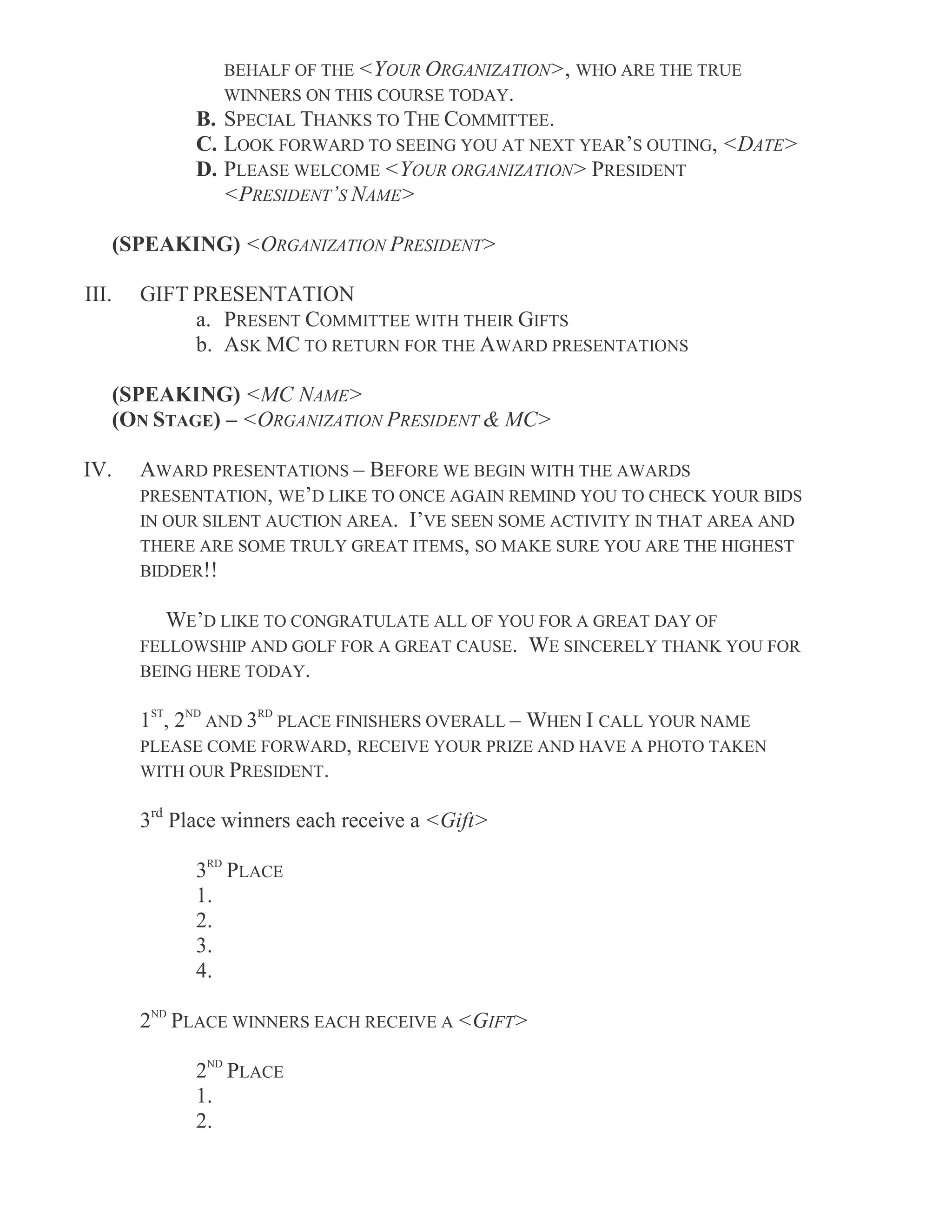
An effective award script is structurally partitioned into distinct rhetorical segments designed to capture the attention of formation attendees, honor the recipient's specific contributions, and validate the authority of the commanding officer. The script must align seamlessly with the physical presentation of the medal, ribbon, and certificate.
- The Attention Call: The initial command delivered by the first sergeant or master of ceremonies to bring the formation or audience to the position of attention.
- The Citation Authority: The formal reading of the permanent order number, issuing headquarters, and specific award type under governing regulations.
- The Narrative Summary: A public reading of the achievement or service highlights, distilling the bullet points from the DA Form 638 into an engaging, narrative tribute.
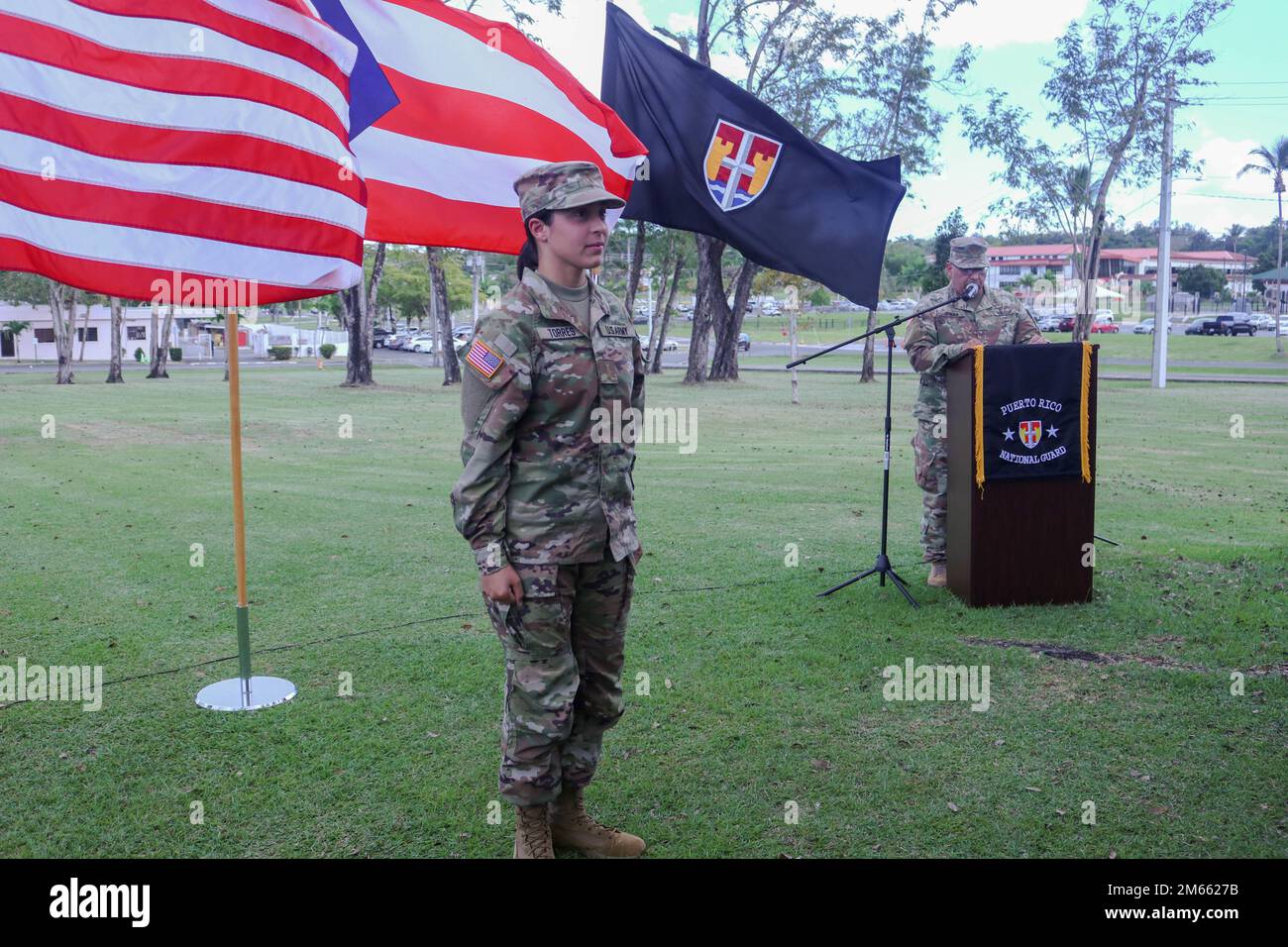
- The Presentation Protocol: The synchronized movement where the commander steps forward, affixes the award, and presents the framed certificate while the narrator reads the final congratulatory lines.
Standardized Sequence of Events for Award Ceremonies
| Sequence Step | Responsible Party | Operational Action | Protocol Requirement |
|---|---|---|---|
| 1. Formation Call | Master of Ceremonies | Commands "All rise" or calls unit to attention | Volume must carry across the entire parade field or auditorium |
| 2. Orders Reading | Narrator / Adjutant | Reads permanent orders and award citation | Pronounce all military acronyms and names with absolute clarity |
| 3. Presentation | Commander & Recipient | Commander pins medal; recipient faces audience | Salutes are exchanged if prescribed by local SOP and grade |
| 4. Conclusion | Master of Ceremonies | Orders formation to parade rest or at ease | Followed by applause and potential remarks from the commander |
Administrative Foundations and Regulatory Standards
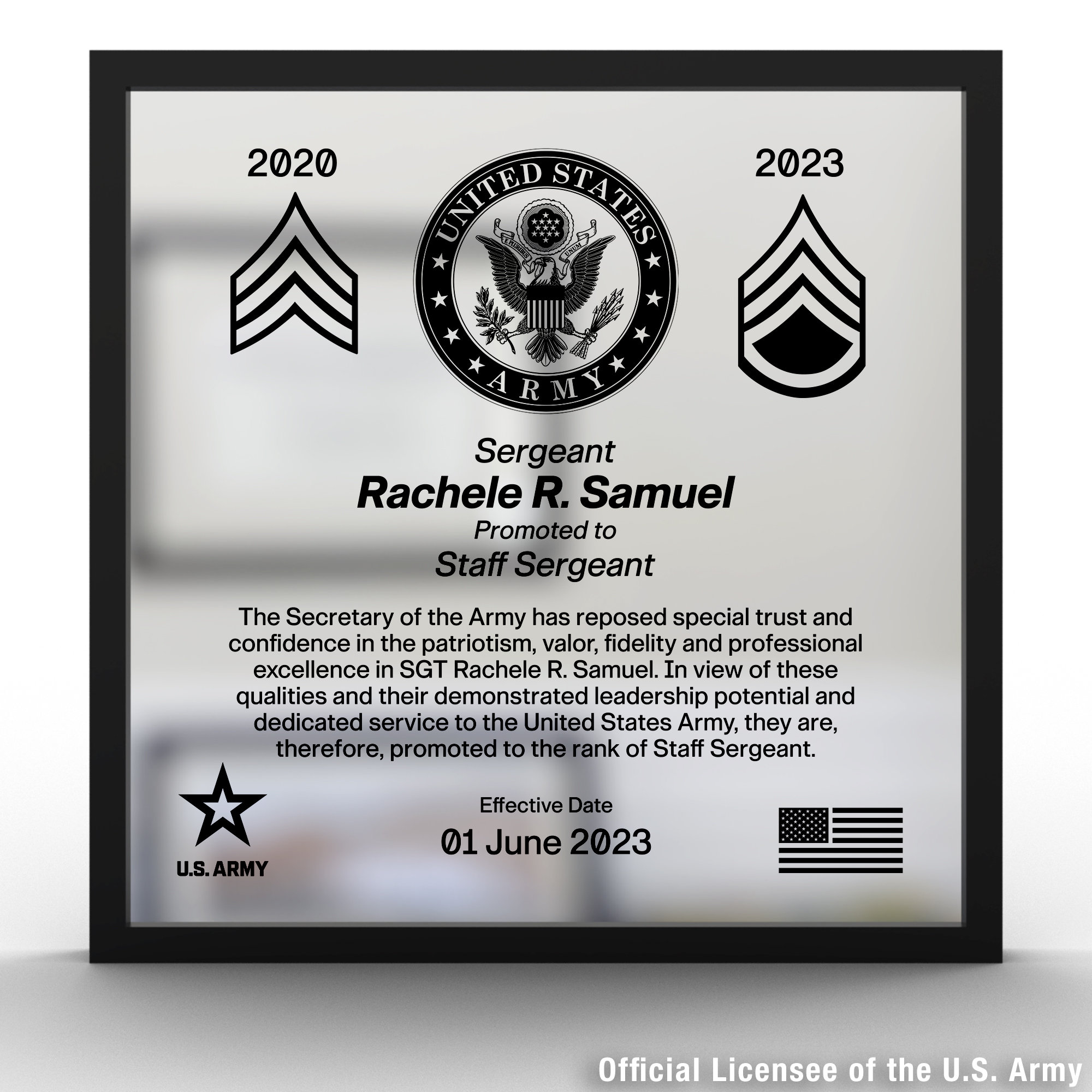
Before drafting a script, the administrative data must be verified against current Army Human Resources Command directives. The legal and historical integrity of the award depends on the accuracy of the underlying paperwork. Unit leadership must ensure that the timeline from recommendation to approval respects regulatory constraints, preventing administrative rejections or delays during processing.
Key Regulatory References for Army Awards
AR 600-8-22 (Military Awards): Serves as the primary regulatory framework governing the criteria, policy, and authorized devices for individual and unit awards across the total force.
DA Pamphlet 600-8-3 (Unit Honors and Awards): Outlines the step-by-step workflow for processing recommendations on DA Form 638, detailing routing procedures, signature authorities, and suspense tracking.
AR 670-1 (Wear and Appearance of Army Uniforms): Governs the exact placement of ribbons, medals, and foreign badges on the Army Green Service Uniform (AGSU) or Army Service Uniform (ASU) during the ceremony.
Step-by-Step Guide to Drafting the Narrative Script
Drafting the script requires transforming rigid, technical bullet points into a cohesive narrative that highlights leadership, technical competence, and mission impact without sounding overly theatrical or generic.
Step 1: Establish the Formal Opening
Begin with the traditional command structure. Ensure the script explicitly names the awarding authority and the specific medal being conferred. Avoid truncation; state "Army Commendation Medal," not just "ARCOM."
Step 2: Highlight Specific Metrics and Milestones
Integrate the quantifiable achievements from the DA Form 638 citation block. If the soldier managed a multi-million-dollar property book, trained hundreds of junior enlisted personnel, or spearheaded a critical deployment readiness exercise, these figures must be explicitly stated to validate the award's prestige.
Step 3: Conclude with Standardized Closing Text
Every script should conclude by acknowledging the credit brought to the unit, the United States Army, and the soldier's family, followed by the formal instruction for the commander to present the award.
Sample Template: End-of-Tour Meritorious Service Medal Script
The following template provides a fully realized script layout that can be adapted for company, battalion, or brigade-level ceremonies in 2026.
NARRATOR: "Ladies and gentlemen, attention for the presentation of awards." (Master of Ceremonies signals the formation to attention) NARRATOR: "HQ, Headquarters Company, 1st Battalion, 504th Parachute Infantry Regiment. Hear ye, hear ye: Citation for the Meritorious Service Medal to Captain John A. Doe." NARRATOR: "Captain John A. Doe distinguished himself by exceptionally meritorious service as Company Commander from January 2023 to June 2026. During this period, Captain Doe exercised brilliant leadership and tactical acumen during two decisive national training center rotations, achieving a 98 percent operational readiness rate across a fleet of 120 combat vehicles. His visionary mentorship directly resulted in the promotion of 45 junior non-commissioned officers and the retention of 100 percent of his initial term soldiers. Captain Doe’s distinct achievements and dedicated service reflect great credit upon himself, the All-American Division, and the United States Army." NARRATOR: "Commander, Center Stage." (Commander steps forward, pins the medal, presents the certificate, and poses for photographs) NARRATOR: "Post, face the audience. Ladies and gentlemen, please join me in congratulating Captain Doe."
Comparative Analysis: Impact Awards vs. Service Awards Scripts
Different types of awards demand distinct tonal adjustments in the script. An impact award recognizes immediate valor or localized achievement, while a service award summarizes a sustained career assignment.
- Impact Awards (ARCOM / AAM with "V" or "C" Device):
- Tone: Urgent, dramatic, focused on split-second decision-making under stress.
- Length: Concise, highlighting the immediate tactical environment and specific heroic action.
- Focus: Individual bravery, tactical initiative, or life-saving interventions.
- Service Awards (MSM / Legion of Merit for PCS/Retirement):
- Tone: Reflective, comprehensive, professional, and appreciative.
- Length: Extended, summarizing multiple years of cumulative contributions and organizational transformation.
- Focus: Leadership legacy, systemic improvements, fiscal stewardship, and mission command excellence.
Frequently Asked Questions
What is the purpose of reading an attention to orders script during an Army award ceremony?
The attention to orders script provides formal legal notification and public recognition of an award, reinforcing military tradition and unit cohesion. It validates the permanent orders published by human resources personnel and highlights the soldier's specific contributions to peers and leadership.
How do I adapt a DA Form 638 bullet point into a spoken award script?
You expand the compressed, result-oriented bullet points into smooth, chronological sentences that explain the action, the context, and the strategic impact. Avoid technical abbreviations that are difficult to pronounce aloud before an audience.
Who is traditionally responsible for drafting the award script in an Army unit?
The S1 personnel shop, the unit awards clerk, or the designated adjutant typically drafts the script in coordination with the award recommendation writer and the commander's executive officer.
Can civilian clothing be worn during an award presentation ceremony?
While military personnel must wear the prescribed uniform of the day (typically AGSU or ASU), retiring soldiers or civilian award recipients may wear professional civilian attire or business formal wear as authorized by the hosting commander's policy.
What should be done if an error is discovered in the script during the ceremony?
The narrator must remain calm, professionally bypass or verbally correct minor administrative errors, and ensure the physical certificate and permanent orders match official records before filing. Never halt a ceremony mid-script unless a major safety or protocol violation occurs.
Conclusion and Operational Best Practices
Drafting an attention to orders award script is an exercise in administrative precision and ceremonial leadership. By anchoring your narrative in verified DA Form 638 data, adhering strictly to current Army regulations, and maintaining a dignified, professional tone, you honor the recipient's sacrifices while reinforcing the core values of the United States armed forces. Ensure all scripts are reviewed by the chain of command at least 48 hours prior to execution to guarantee seamless operations during the ceremony.