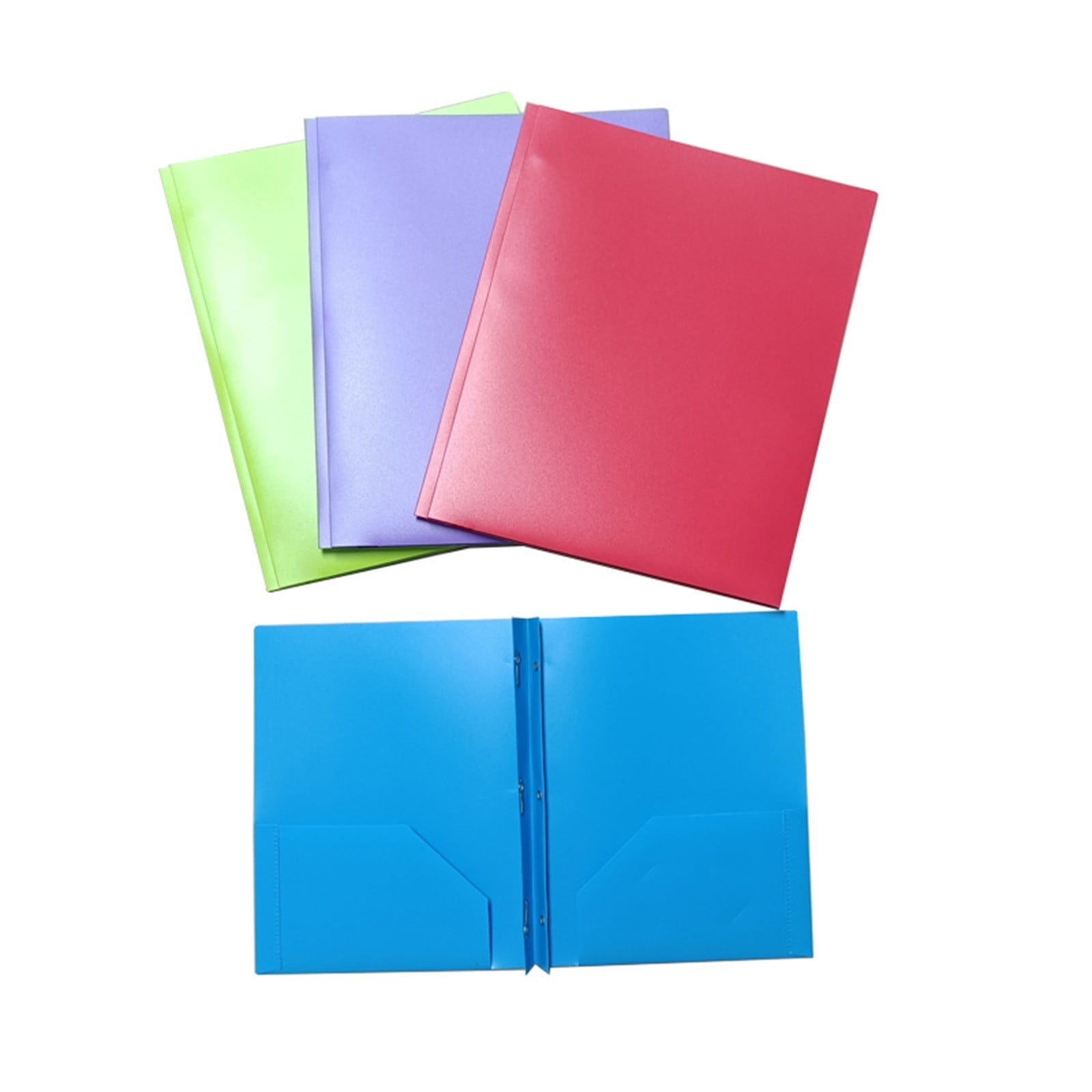
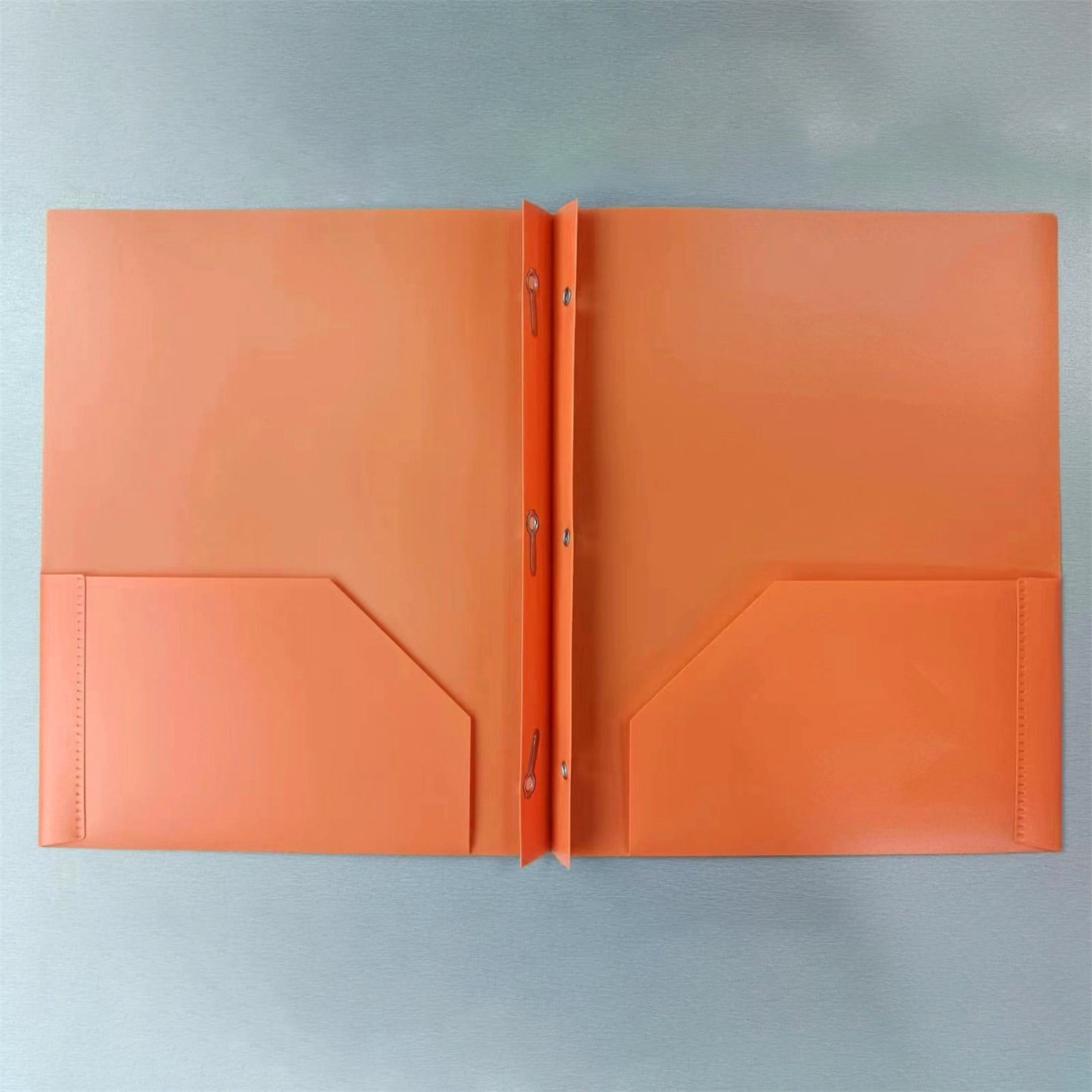
A brad folder is a paper filing tool featuring metal prongs—known as brads or prongs—that pass through punched holes in documents to secure them securely without the need for traditional binding machines or staples. This physical filing system allows users to insert, remove, and rearrange papers easily while preventing pages from sliding out or becoming misaligned during transport and handling.
Understanding the Brad Folder and Its Role in Document Management
Physical document organization remains a cornerstone of legal, academic, professional, and personal administration, even in an increasingly digital world. Within this landscape, the brad folder holds a distinct and enduring place. Also frequently referred to as a prong folder or fastener folder, this organizational staple provides a reliable method for keeping sequential documents intact, readable, and structurally sound.
Unlike standard pocket folders that merely hold loose sheets in place, brad folders physically anchor the documents to the spine or panels of the folder itself. This mechanical attachment ensures that multi-page reports, legal briefs, tax documents, and medical histories remain in strict chronological or thematic order. Understanding how to select, prepare, and maintain a brad folder system significantly enhances efficiency, minimizes document loss, and ensures compliance with institutional filing standards.
The core mechanism of a brad folder relies on two flexible metal prongs attached to a metal or reinforced compressor base. These prongs are inserted through standard two-hole or three-hole punched paper. Once the paper is threaded onto the prongs, a sliding compressor bar is placed over the papers, and the metal tabs are folded outward to lock everything tightly in place. This design eliminates the vulnerability of loose papers slipping out when the folder is opened, dropped, or heavily handled.
Anatomy and Technical Specifications of Brad Folders
To utilize brad folders effectively, one must understand their structural variations and technical specifications. Not all folders are created equal, and choosing the incorrect weight, prong capacity, or material can lead to folder failure, torn paper, or disorganized archives.
Material Composition and Durability
Brad folders are manufactured from various paper stocks and synthetic materials, each suited for different environments and lifespans:
- Manila Paper Stock: The traditional choice for office environments. Typically ranging from 9.5-point to 14-point thickness, manila stock is economical and suitable for daily, light-to-moderate handling.
- Pressboard (Pressboard Classification Folders): Heavy-duty pressboard folders are designed for long-term archiving and heavy use. Ranging from 20-point to 25-point thickness, pressboard resists moisture, bending, and tearing, making it ideal for legal case files and medical charts.
- Polypropylene (Plastic): Waterproof, tear-resistant, and highly durable, plastic brad folders withstand spills, frequent transport, and harsh weather conditions. They are popular in educational settings and field operations.
Fastener Capacity and Placement
The fastener capacity dictates how many sheets of paper a brad folder can safely secure without straining the prongs or tearing the punched holes:
| Fastener Capacity | Typical Sheet Count | Common Applications |
|---|---|---|
| 1 inch | Up to 200 sheets | Short reports, monthly invoices, client intakes. |
| 2 inches | Up to 400 sheets | Comprehensive tax returns, legal contracts, project portfolios. |
| 3 inches | Up to 600+ sheets | Extensive medical records, multi-year audits, litigation files. |
Furthermore, fasteners can be positioned in various locations within the folder. Two-prong fasteners centered on the inside spine are standard for simple document retention. Multi-prong fasteners affixed to interior dividers allow users to partition a single folder into distinct sections (e.g., separating correspondence, invoices, and receipts within the same project folder).
Prerequisite Steps for Effective Folder Setup
Jumping into a filing project without preparation often leads to clutter, wasted supplies, and misfiled documents. Establishing a structured workflow before touching a single piece of paper ensures that your brad folder system remains functional over time.
1. Document Sorting and De-Cluttering
Before placing any paper into a brad folder, sort the documents into logical categories. Remove unnecessary duplicate pages, blank sheets, and extraneous packaging or sticky notes that could interfere with the binding mechanism. Group papers by date (chronological or reverse-chronological) or by subject matter, depending on the requirements of your project or institution.
2. Standardized Hole Punching
Because brad folders rely entirely on alignment with metal prongs, accurate hole punching is critical.
- Ensure your hole punch matches the prong configuration of the folder (most commonly standard two-hole or three-hole configurations).
- Avoid punching too many sheets at once, as misaligned holes cause paper to buckle, wrinkle, and tear when secured under the compressor bar.
- Check margin settings to ensure that text is not pierced or obscured by the fastener holes.
3. Labeling and Categorization Strategy
A well-organized folder is useless if it cannot be identified quickly on a shelf or in a cabinet. Establish a clear labeling protocol before filing:
- Use self-adhesive label tabs or pre-printed folder labels.
- Include standardized naming conventions, such as
[Client Name] - [Project Type] - [Year]. - Color-code folders by department, priority level, or year to accelerate visual retrieval.
Step-by-Step Guide to Organizing and Maintaining a Brad Folder
Assembling documents in a brad folder requires a methodical approach to ensure longevity and ease of access. Follow these structured steps to build a professional-grade file.
Step 1: Prepare the Fastener Base
Open the brad folder flat on a clean desk or workspace. Unbend the metal prongs so they point straight upward, perpendicular to the folder spine or panel. Remove the compressor bar (if present) and set it aside.
Step 2: Sequence and Thread the Documents
Take your sorted stack of punched papers and align the holes over the upright metal prongs. Lower the stack gently onto the base. Ensure that the pages lie flat and that no corners are folded underneath neighboring sheets. If your workflow requires reverse-chronological order (newest documents on top), place the most recent documents on the prongs first, working your way backward to the oldest documents at the bottom. Conversely, for chronological archives, place the oldest documents down first.
Step 3: Secure with the Compressor Bar
Place the metal or plastic compressor bar over the prongs, resting it flat against the top sheet of paper. The compressor bar distributes tension evenly across the paper margin, preventing the prongs from tearing through the punched holes when the folder is handled.
Step 4: Lock the Prongs
Press down slightly on the compressor bar to compress the paper stack. Bend the two metal prongs outward in opposite directions, pressing them flat against the compressor bar. Avoid twisting the metal tabs excessively, as repeated bending and unbending can cause metal fatigue and cause the prongs to snap off.
Step 5: Archive and Store
Place the completed brad folder into a vertical filing cabinet, lateral drawer, or shelf file box. Ensure that folders are not overly compressed by neighboring files, as excessive lateral pressure can warp the pressboard or bend the spine fasteners.
Common Mistakes and Troubleshooting in Physical Filing
Even with simple office tools, minor errors can compromise document integrity. Being aware of frequent pitfalls helps maintain a pristine filing system.
Overfilling the Fastener
One of the most common errors is attempting to force too many pages onto a single fastener. When a fastener is overfilled, the paper margin pulls taut against the prongs. Every time the folder is opened or turned, stress concentrates at the hole edges, leading to ripped paper and detached sheets. If your document stack exceeds the rated capacity of your folder (e.g., trying to fit 350 sheets onto a 1-inch fastener), split the records across multiple folders or upgrade to a heavier-duty 2-inch or 3-inch pressboard fastener folder.
Incorrect Hole Punch Alignment
Using mismatched hole punches creates jagged, uneven page turns and makes it difficult to thread documents onto the brad without wrinkling them. Always verify that your office hole punch is locked into the correct standard gauge (such as standard 8.5 x 11-inch letter spacing) before committing a large stack of documents to the punch.
Improper Prong Bending
Twisting or rolling the metal prongs instead of folding them flat against the compressor bar weakens the metal. Over time, brittle prongs snap off mid-shaft, rendering the folder's fastener mechanism unusable and requiring the tedious transfer of all documents to a new folder. Always use a flat press motion to fold the tabs outward cleanly.
Comparison of Document Binding Options
Choosing the right physical organization method depends on document volume, frequency of reference, and security requirements. The following comparison highlights how brad folders measure up against alternative binding solutions.
| Binding Method | Best Used For | Pros | Cons |
|---|---|---|---|
| Brad Folder | Moderate to heavy files requiring periodic document addition or removal. | Allows easy page insertion/removal; secure sequential holding; cost-effective. | Limited by prong capacity; prone to paper tearing if overstuffed. |
| Three-Ring Binder | Training manuals, reference guides, frequently updated documentation. | High capacity; allows pages to lie completely flat; highly durable plastic covers. | Bulky storage footprint; requires specialized ring mechanisms; more expensive. |
| Stapled Packet | Quick, temporary reports under 50 pages; handouts. | Extremely fast; zero equipment cost beyond a standard stapler. | Permanent; difficult to add or remove pages without tearing; easily misaligned. |
| Comb / Spiral Binding | Formal presentations, client proposals, manuals. | Professional polished look; pages turn 360 degrees (spiral). | Requires dedicated binding machinery; impossible to edit contents without destroying the spine. |
Advanced Applications for Brad Folders
Beyond basic office correspondence, brad folders serve specialized roles across various professional sectors due to their reliability and compliance with archival standards.
Legal and Court Filings
Many legal jurisdictions and administrative boards maintain strict physical filing requirements for trial notebooks, evidentiary exhibits, and appellate briefs. Brad folders allow paralegals and attorneys to organize complex exhibits sequentially. By utilizing multi-prong classification folders with embedded dividers, legal teams can separate pleadings, discovery documents, and correspondence within a single unified case file, ensuring quick retrieval during courtroom proceedings.
Medical and Patient Record Management
In healthcare settings where paper charts remain active or serve as legal backups to electronic health records (EHR), pressboard brad folders are indispensable. They allow clinicians to secure lab results, consultation notes, and patient intake histories chronologically. This prevents critical health data from becoming lost or scrambled, protecting patient safety and satisfying regulatory retention mandates.
Educational Portfolios and Student Records
Teachers and academic administrators utilize brad folders to compile student performance portfolios, Individualized Education Programs (IEPs), and administrative records. The physical security of the brad mechanism ensures that student work samples remain intact throughout the academic year, providing a transparent, verifiable history of progress for parent-teacher conferences and institutional audits.
Expert Guidance and Best Practices
To maximize the utility and lifespan of your brad folder system, adopt these professional workflow recommendations:
- Audit Annually: Review active files at the end of every fiscal or calendar year. Migrate completed projects to long-term archive boxes using heavy-duty pressboard folders, freeing up active filing cabinet space for current work.
- Reinforce Punched Holes: For high-traffic documents that will be handled and turned frequently, apply self-adhesive reinforcing rings (hole reinforcers) to the punch holes before threading them onto the brad. This drastically reduces the likelihood of paper tearing under stress.
- Protect Confidential Information: When storing sensitive financial, medical, or personnel records in standard manila or pressboard brad folders, store filing cabinets in locked rooms and utilize security labels or cover sheets to prevent unauthorized viewing.
By adhering to these structured protocols, selection criteria, and maintenance habits, the humble brad folder transforms from a simple office supply into a robust, reliable engine of organizational efficiency.