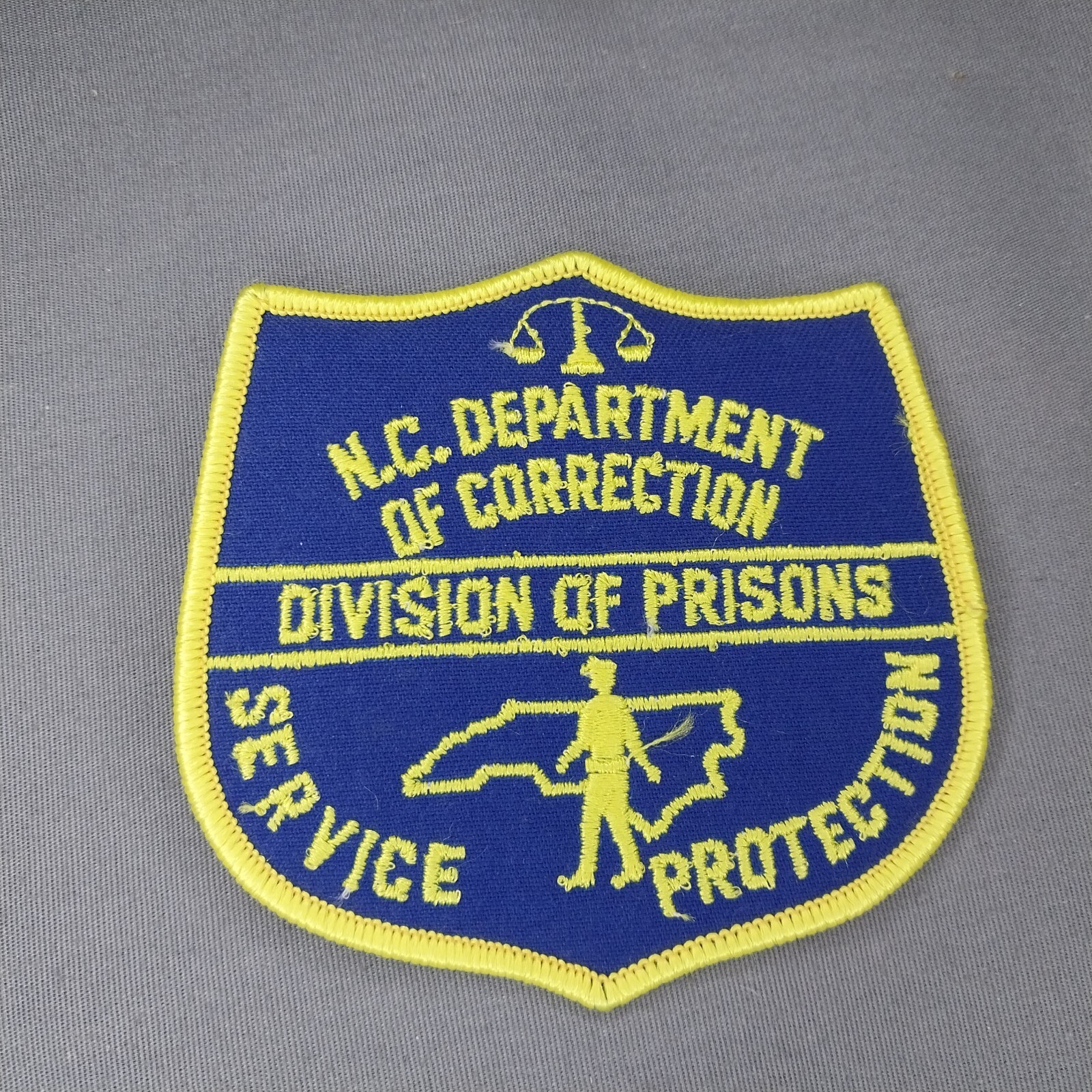
The North Carolina Department of Adult Correction (DAC) serves as the primary governing body for the state’s correctional infrastructure. Note: Following the 2023 legislative reorganization, the former "Department of Prisons" functions are fully integrated into the Department of Adult Correction. This guide clarifies the procedures for facility interaction, offender communication, and legislative compliance as of the 2026 fiscal cycle.
Historical Transition and Current Organizational Structure
The consolidation of prison operations under the North Carolina Department of Adult Correction has streamlined the administration of state-run correctional facilities. By 2026, the department has transitioned away from the outdated "Department of Prisons" nomenclature to a unified model that emphasizes evidence-based rehabilitation, security, and offender accountability.
The organization operates under the authority of the Secretary of Adult Correction, maintaining oversight of approximately 55 correctional facilities ranging from minimum to close custody. The operational mandate for 2026 focuses on workforce development for incarcerated individuals, expanded medical oversight, and digitized visitation protocols.
Navigating Facility Locations and Custody Classifications
North Carolina utilizes a tiered custody classification system to manage its inmate population. Understanding these levels is essential for family members and legal professionals attempting to coordinate visitation or legal correspondence.
| Custody Level | Security Profile | Typical Facility Type | 2026 Operational Focus |
|---|---|---|---|
| Minimum Custody | Low risk, vocational focus | Correctional Centers | Community work release programs |
| Medium Custody | Moderate supervision | Prisons/Units | Educational and behavioral programming |
| Close Custody | High security/supervised | High-Security Facilities | Specialized housing and intensive monitoring |
| Maximum Custody | Highest security/restricted | Central Prison/High-Security | Behavioral stabilization and safety |
Key Facility Systems and Regional Management
The DAC partitions the state into distinct geographic regions to facilitate logistics and personnel management. As of 2026, the Central Prison in Raleigh remains the primary hub for administrative offices and the reception of high-acuity medical cases. Families seeking information regarding a specific inmate must identify the facility’s regional assignment to determine the correct administrative contact point.
Standardized Visitation and Communication Protocols
In 2026, the DAC has fully implemented a hybrid visitation model. While in-person visits remain a standard for eligible inmates, the department has expanded its digital infrastructure to support video visitation via approved vendor platforms.
- Scheduling Requirements: All visitors must be pre-approved through the online portal. Applications submitted in 2026 require a 30-day processing window for background checks.
- Identification Policy: Visitors must present a valid, government-issued photo ID. Digital copies are not accepted; physical documentation is mandatory for entry.
- Prohibited Items: Electronic devices, including smartwatches and mobile phones, are strictly prohibited in visitation areas. Facilities provide secure lockers, though the department recommends leaving unnecessary personal items in personal vehicles.
- Conduct Standards: Any breach of the visitor code of conduct—including physical contact restrictions or improper communication—results in immediate suspension of visitation privileges.
Offender Trust Fund and Communication Financials
The financial management of an incarcerated individual’s account is handled through the Offender Trust Fund system. In 2026, the Department of Adult Correction transitioned to a unified digital deposit portal to minimize transaction delays.
Managing Financial Deposits
Deposits can be made through the following approved channels:
- Online Payment Portals: Utilizing the state-authorized vendor website, which processes real-time transfers to inmate trust accounts.
- Telephone Transactions: Automated systems accessible 24/7 for credit and debit card deposits.
- Kiosk Services: Physical terminals located in the lobbies of major correctional facilities.
- Money Orders: While traditional methods remain, the department strongly encourages electronic transfers to ensure immediate fund availability.
Medical and Mental Health Standards
The North Carolina Department of Adult Correction is mandated to provide constitutionally adequate healthcare to all inmates. The 2026 medical framework emphasizes the continuity of care for chronic conditions, such as diabetes and hypertension, which are prevalent within the population.
Clinical Governance and Quality Assurance
The department operates under strict oversight regarding health outcomes. Medical services are audited annually against national standards to ensure compliance with human rights and safety regulations. Incarcerated individuals have access to sick call procedures, triage, and specialized treatment plans. Family members with specific concerns regarding an inmate's medical status must communicate through the established medical grievance process rather than informal inquiries to security staff.
Frequently Asked Questions
How can I locate an inmate currently held in a North Carolina facility?
You can locate an individual through the official Offender Public Information Search on the Department of Adult Correction website. This database is updated daily and provides the inmate’s location, custody status, and projected release date.
What are the 2026 guidelines for sending mail to an inmate?
All mail must be addressed to the specific facility, including the inmate’s name and permanent ID number. Correspondence is subject to screening for contraband; items like polaroids, stickers, or excessive paper may be rejected, so verify the specific facility’s current prohibited list before mailing.
How do I apply for visitation if I have a prior criminal record?
Individuals with a criminal history must disclose this information during the visitor application process. The department reviews these applications on a case-by-case basis to determine security compatibility, and failure to disclose prior records is automatic grounds for denial.
Is it possible to request a transfer for an inmate?
Inmates cannot personally request transfers; however, they may submit requests to their assigned case manager based on program requirements or hardship. The department makes transfer decisions solely based on security needs, bed availability, and behavioral history.
Are video calls monitored by the Department?
Yes, all digital communication, including video visitation, is subject to monitoring and recording by the Department of Adult Correction. Users must adhere to strictly professional conduct during these calls to avoid revocation of access.
Strategic Engagement with Correctional Services
Navigating the complexities of the North Carolina correctional system requires diligence and adherence to established administrative channels. Whether you are seeking information on offender status, attempting to facilitate communication, or engaging with rehabilitation programming, utilizing the official 2026 online resources remains the most effective strategy. Always verify facility-specific updates via the main portal before traveling to a site, as operational policies can be modified to maintain internal security and institutional safety.