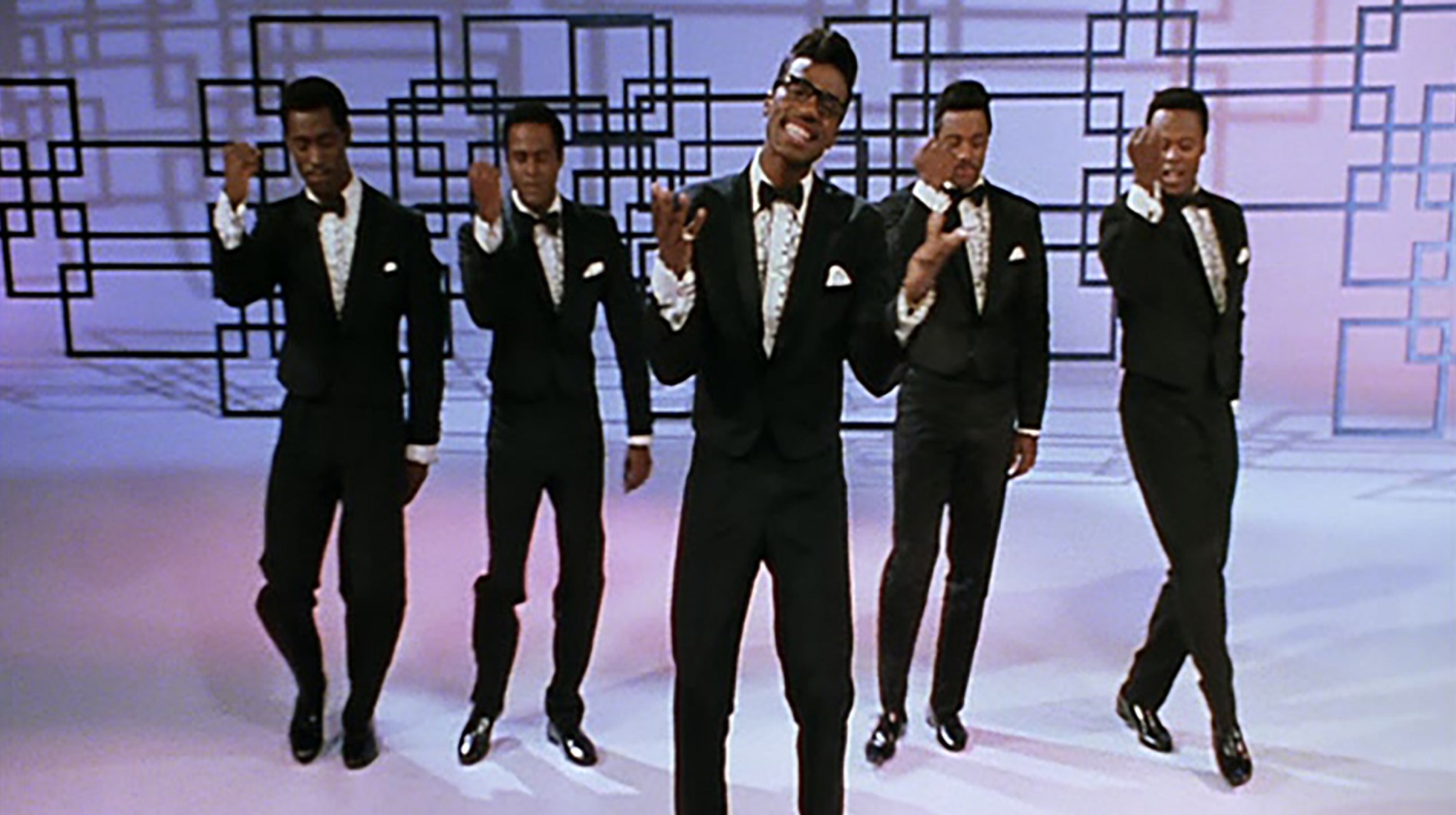
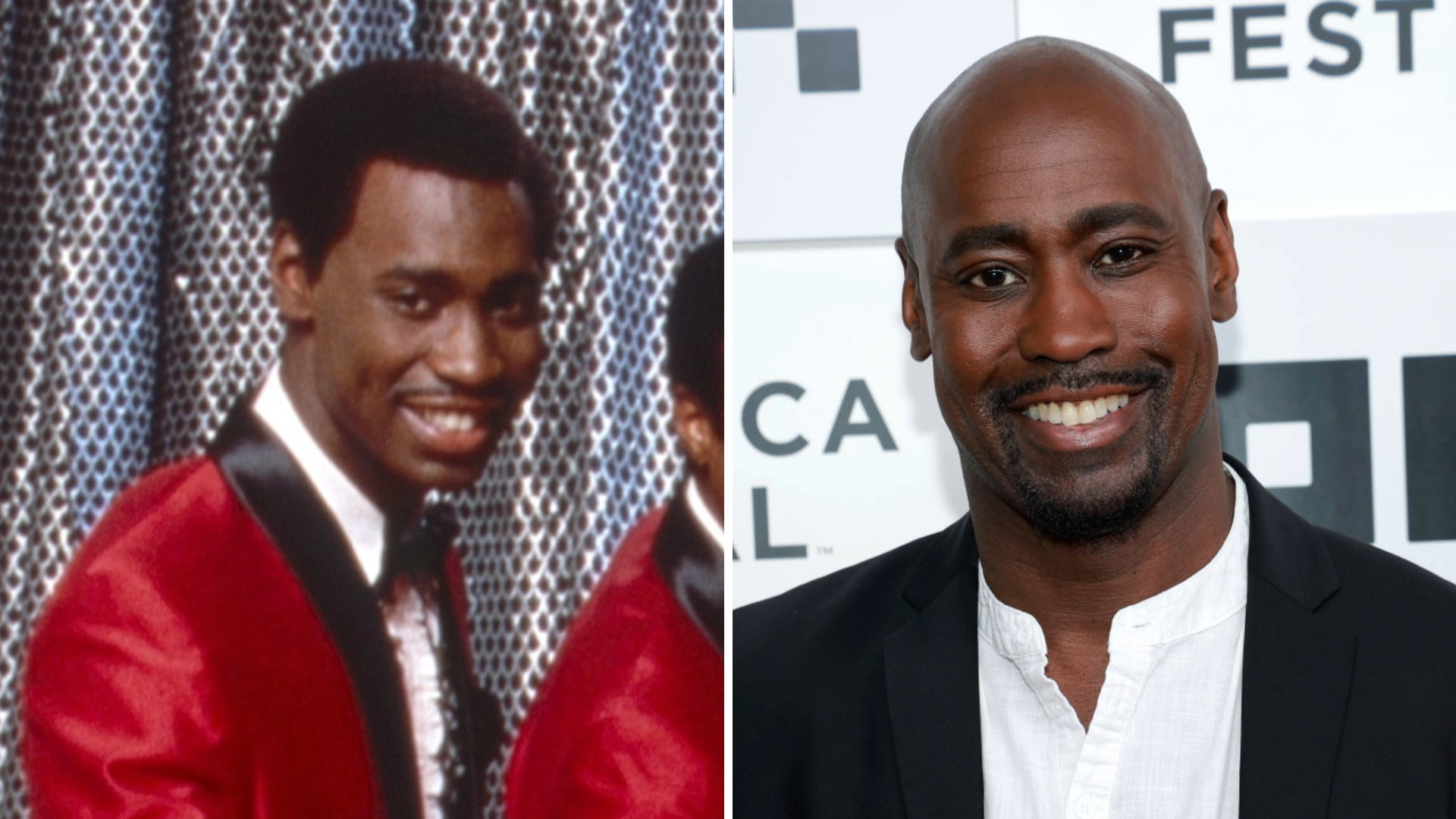
The acclaimed 1998 biographical television miniseries The Temptations brought the legendary Motown vocal group's meteoric rise, internal conflicts, and tragic downfalls to life through a standout ensemble cast, featuring Charles Malik Whitfield as Otis Williams, D.B. Woodside as Melvin Franklin, and Leon as David Ruffin.
Understanding The Temptations Miniseries and Its Cultural Impact
When NBC broadcasted The Temptations in October 1998, the two-part television miniseries became an immediate cultural touchstone. Executive produced by Suzanne de Passe—who worked closely with the group during her tenure at Motown Records—and original founding member Otis Williams, the production aimed for an authentic portrayal rather than a sanitized Hollywood version. The miniseries is adapted from Williams's own memoir, The Temptations, co-written with Patricia Romanowski.
Because the narrative spans several decades—from the early 1960s street corners of Detroit through the classic "Classic Five" era and into the heartbreaking departures, health struggles, and drug addictions of later years—the casting choices required a rare combination of dramatic acting chops, vocal synchronization, and physical charisma. The actors did not merely mimic the group's members; they captured the camaraderie, friction, and artistic genius that defined American soul music.
The Core Lineup: Main Cast Members and Their Iconic Roles
The success of the miniseries hinges entirely on the actors portraying the core members of the group. Each actor stepped into the shoes of a monumental musical figure, navigating complex interpersonal dynamics that shifted across thirty years of history.
Charles Malik Whitfield as Otis Williams
As the last surviving original member and the narrator of the story, Otis Williams serves as the anchor of both the memoir and the miniseries. Charles Malik Whitfield portrays Williams as the diplomat and backbone of the group—the man who fought tirelessly to keep the members focused, professional, and unified despite relentless external and internal pressures. Whitfield's performance grounds the film, showing the emotional toll Williams paid while holding together a shifting roster of volatile, exceptionally gifted artists.
D.B. Woodside as Melvin Franklin
Melvin Franklin, known for his resonant, subterranean bass voice and his joyful, exuberant dance moves, is brought to life by D.B. Woodside. Woodside captures Franklin's unwavering loyalty to the group, his deep faith, and his role as the gentle giant and peacemaker among the egos. The miniseries details Franklin's heartbreaking physical decline due to rheumatoid arthritis and failing health, and Woodside portrays these final years with immense dignity and emotional resonance.
Leon as David Ruffin
Perhaps the most electric and complex performance in the entire production is delivered by Leon (mononymously known), who plays the brilliant, troubled lead singer David Ruffin. Ruffin's arrival in 1964 propelled the group to superstardom with hits like "My Girl," but his soaring tenor was matched by a volatile ego, severe substance abuse, and a desire to see his name billed above the group. Leon captures Ruffin's magnetic stage presence, his unbearable vulnerability, and his tragic descent into isolation and irrelevance, making him one of the most memorable characters in biographical television history.
Terron Brooks as Eddie Kendricks
Terron Brooks takes on the role of Eddie Kendricks, the group's signature falento tenor whose high-pitched voice defined classics like "Just My Imagination" and "The Way You Do the Things You Do." Brooks effectively portrays Kendricks's gentle demeanor, sharp fashion sense, and eventual disillusionment with the music industry and Berry Gordy's management style. The creative tension and artistic brotherhood between Kendricks and Ruffin form the emotional core of the miniseries' midsection.
Christian Payton as Paul Williams
Paul Williams was the dynamic choreographer and powerhouse baritone whose raw, emotional delivery on songs like "Don't Look Back" set a high standard for soul performance. Christian Payton portrays Paul with a profound sense of tragedy. The miniseries explores Paul's painful struggles with sickle cell anemia, severe alcoholism, financial distress, and depression, culminating in his devastating departure from the group and subsequent death. Payton's nuanced performance handles these heavy themes with sensitivity and grace.
| Character | Actor | Vocal/Musical Role in Group | Key Narrative Arc in Miniseries |
|---|---|---|---|
| Otis Williams | Charles Malik Whitfield | Second Tenor / Baritone | Founder, narrator, and diplomatic anchor striving to keep the group intact. |
| Melvin Franklin | D.B. Woodside | Bass | Peacemaker, loyal stabilizer, and dancer facing severe health declines. |
| David Ruffin | Leon | Lead Tenor | Brilliant superstar whose ego and drug addiction tear him away from the group. |
| Eddie Kendricks | Terron Brooks | Falsetto / First Tenor | Stylish stylist of high harmonies who grows alienated by business practices. |
| Paul Williams | Christian Payton | Baritone / Choreographer | Creative force whose health, alcoholism, and depression lead to a tragic end. |
Supporting Cast and Key Motown Figures
Beyond the core quintet, The Temptations features a robust supporting cast that populates the historical landscape of Motown Records and the broader civil rights-era music industry. These performances add essential context to how the group operated within the larger machine of American popular music.
The Executives and Producers
- Obba Babatundé as Berry Gordy: Babatundé delivers a sharp, measured performance as the visionary, demanding, and sometimes autocratic founder of Motown Records. His interactions with the group highlight the business pressures, grooming practices, and stylistic demands placed on Black artists crossing over into mainstream pop markets.
- Charley Pride as Otis Williams Sr.: Country music legend Charley Pride makes a brief, memorable appearance playing Otis Williams's father in early framing sequences, establishing generational context for the young musicians.
- Middleton "Mel" Childs and Creative Teams: Various supporting actors portray the songwriters, road managers, and choreographers (such as Cholly Atkins, played by Jeffrey Anderson-Gunter) who shaped the physical and sonic identity of the group.
The Women in Their Lives
The miniseries does not shy away from the personal relationships that suffered under the weight of relentless touring, infidelity, and fame.
- Vanessa Bell Calloway as Josephine Williams: Portraying Otis's first wife, Calloway captures the loneliness, sacrifices, and ultimate heartbreak experienced by the spouses of touring musicians.
- Tina Lifford as Mama Rose: Representing the maternal figures who supported the young artists during their Detroit formative years.
- Angelique Bates and Supporting Actresses: Various cast members step into the roles of early girlfriends, wives, and encounters, including brief depictions of figures associated with Tammi Terrell and Diana Ross during cross-label interactions.
Casting and Production Realities: Authenticity Behind the Music
One of the most fascinating aspects of The Temptations is how the production handled the music itself. While the actors underwent rigorous rehearsals to master the choreography, styling, and physical mannerisms of the group, the musical vocals required a specialized approach.
Many of the singing vocals in the miniseries were provided by professional session singers who carefully recreated the classic Motown sound, blended with studio recordings of the actual group where appropriate. Terron Brooks, who played Eddie Kendricks, possessed a genuine singing background (later touring as a professional vocalist), which allowed for seamless transitions in scenes requiring live performance execution. Leon, meanwhile, leaned heavily into his acting prowess to channel David Ruffin’s intense stage antics, perfectly syncing his physical performance to the soaring vocal tracks.
Choreography played an equally critical role in the casting process. Under the guidance of recreations of Cholly Atkins's legendary routines, the actors had to move as a singular, synchronized organism. The famous synchronized spins, microphone passes, and tailored suit routines required months of physical training before cameras ever rolled.
Frequently Asked Questions
Who played David Ruffin in The Temptations movie?
David Ruffin was played by the actor Leon (often credited simply as Leon). His intense, critically acclaimed portrayal captured Ruffin's soaring vocal delivery, charismatic stage presence, and tragic personal demons, earning widespread praise from critics and fans alike.
Did the actors in The Temptations do their own singing?
Some cast members contributed vocal work, but much of the primary singing for the miniseries was handled by professional session vocalists to match the exact pitch, tone, and production style of the original Motown recordings. Actor Terron Brooks, who played Eddie Kendricks, is an accomplished professional singer who contributed authentic vocal performances.
Is The Temptations miniseries based on a true story?
Yes, the miniseries is officially adapted from the 1988 autobiography The Temptations, written by founding member Otis Williams with Patricia Romanowski. While some dramatic license was taken to compress decades of history into a two-part television format, Williams served as an executive producer to ensure historical fidelity.
Where can I watch The Temptations miniseries?
Availability changes frequently depending on streaming rights and platform rotations. Historically, the miniseries has been available on various digital video-on-demand stores, physical DVD releases, and occasionally streaming services like Peacock or subscription platforms holding NBCUniversal content libraries.
Why is The Temptations considered one of the best biographical films?
The miniseries is praised for its unflinching honesty regarding the dark side of fame, substance abuse, and internal group politics, combined with exceptional casting, authentic wardrobe styling, and an unmatched soundtrack celebrating one of America's greatest vocal groups.
Practical Guidance and Viewing Recommendations
For viewers approaching The Temptations miniseries for the first time, keeping a few historical notes in mind enhances the viewing experience. Recognize that the story is told primarily through the perspective of Otis Williams; therefore, certain interpersonal conflicts reflect his firsthand vantage point and memories. Pairing a viewing of the miniseries with listening to the actual classic albums—such as Meet The Temptations, Gettin' Ready, and With a Lot o' Soul—provides a deeper appreciation for the sonic revolution the cast is depicting. Pay close attention to the costume design and set evolution, which meticulously tracks the transition from clean-cut 1960s Ivy League suits to the flamboyant, psychedelic funk styles of the 1970s.