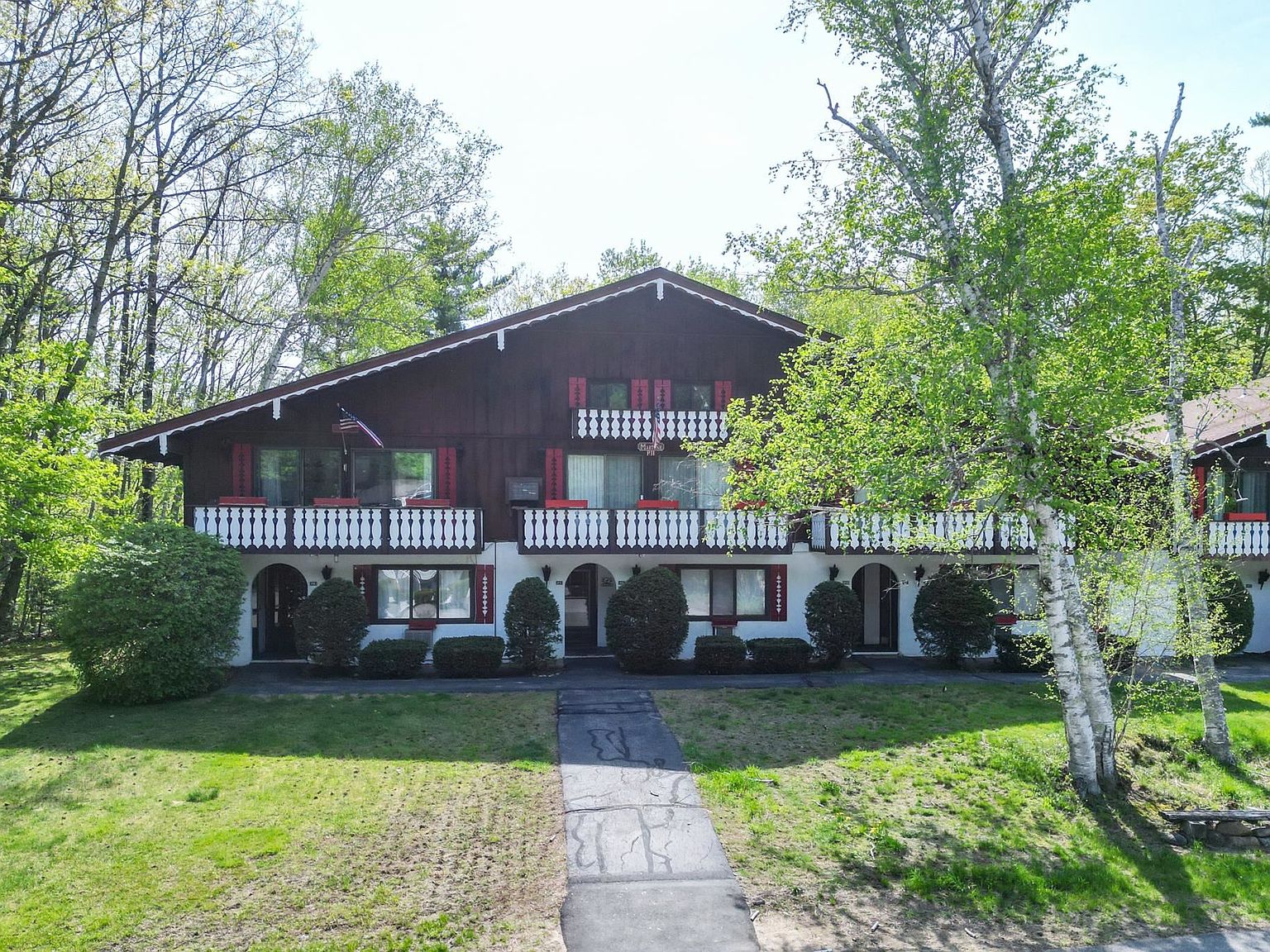
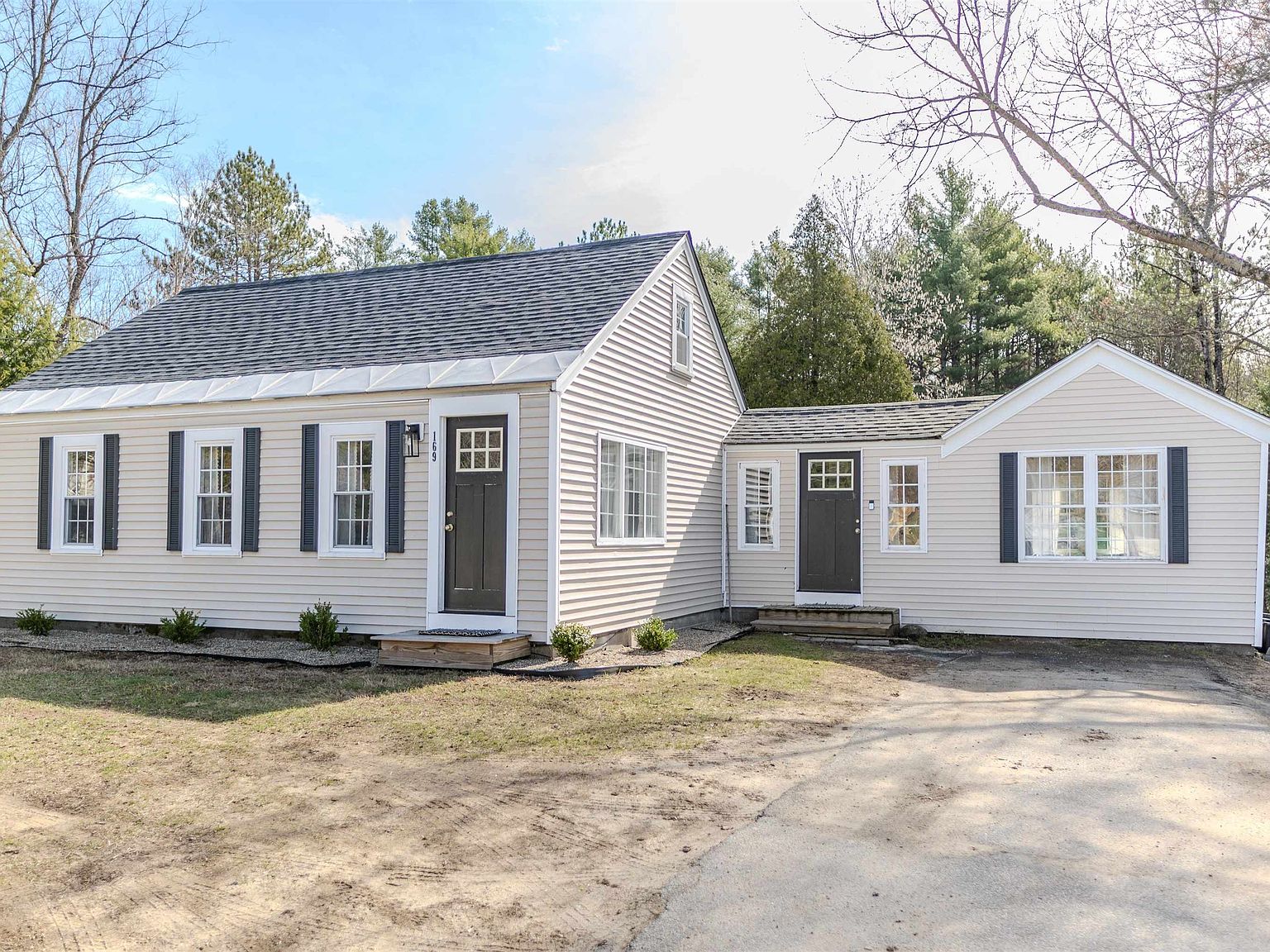
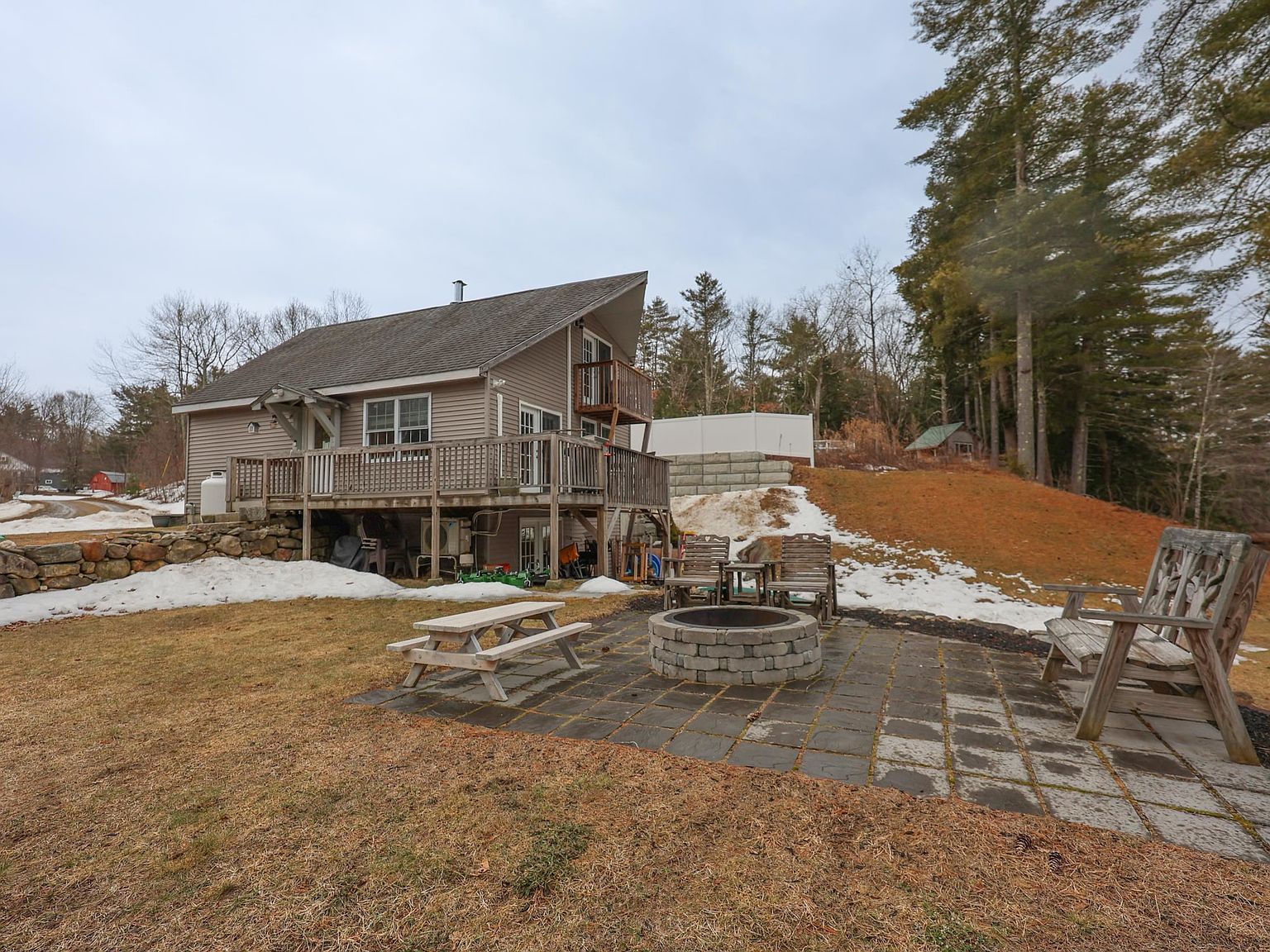
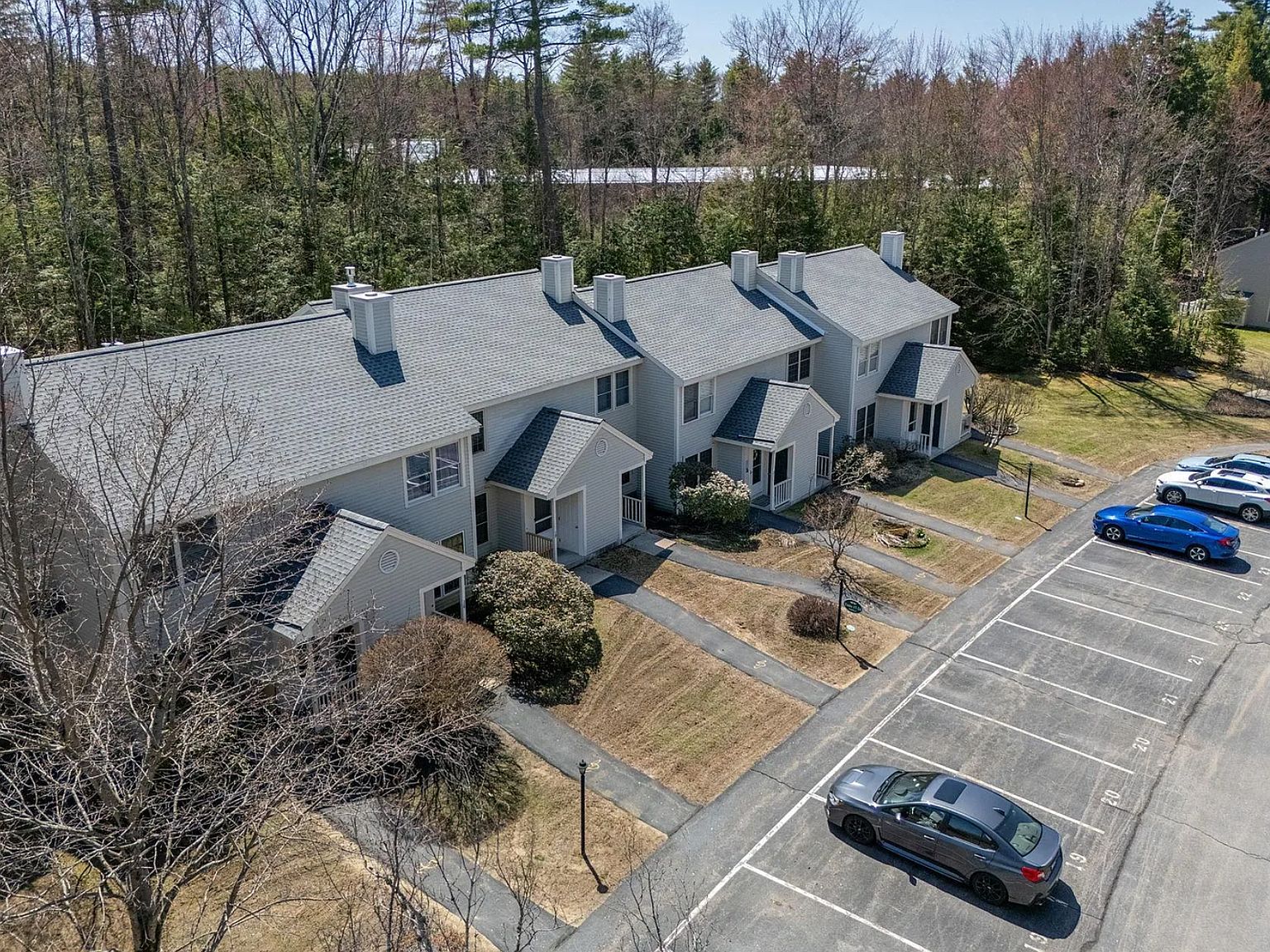
Navigating New Hampshire real estate searches through Zillow requires understanding both the capabilities of national property portals and the localized dynamics of the Granite State. While Zillow serves as a primary aggregator for properties across New England, prospective buyers and sellers in New Hampshire frequently encounter data discrepancies, valuation lags, and unindexed local listings if they rely solely on automated platform metrics.
The New Hampshire housing market operates under distinct regional systems. Most property data originates through PrimeMLS (formerly the New England Real Estate Network, or NEREN), feeding into consumer aggregation platforms. Understanding how Zillow synchronizes with local multiple listing services, how its proprietary Zestimate performs against unique rural and coastal inventory, and how state-specific property taxes factor into digital calculators is essential for making sound real estate decisions throughout 2026.
How Zillow Integrates with New Hampshire MLS Systems
Zillow operates as a participant in Internet Data Exchange (IDX) feeds provided by regional Multiple Listing Services. In New Hampshire, the dominant data engine is PrimeMLS, which governs residential, land, and multi-family listings across all ten counties, from Rockingham and Hillsborough in the south to Coös County in the Great North Woods.
When a brokerage inputs a new listing into PrimeMLS, syndication protocols determine how rapidly that listing appears on national consumer portals. While major metropolitan areas feature near-instant API synchronization, regional nuances in New Hampshire can introduce functional variances:
- Delayed Status Updates: Contingent and pending statuses (such as properties under contract with inspection contingencies) can take anywhere from fifteen minutes to several hours to reflect accurately on consumer interfaces.
- Off-MLS and Pocket Inventory: Exclusive agency agreements and private office exclusives authorized under New Hampshire Real Estate Commission rules do not syndicate to Zillow feeds until entered into the public MLS pool.
- Direct-to-Consumer Postings: For-Sale-By-Owner (FSBO) properties listed directly on Zillow bypass PrimeMLS review entirely, meaning they lack standardized structural disclosures, verified deed histories, and regulated square footage assessments.
Relying exclusively on platform notification alerts often puts buyers at a disadvantage in competitive micro-markets such as Portsmouth, Hanover, and Bedford, where premier inventory regularly moves before broad syndication alerts trigger.
Evaluating Zestimate Accuracy Across Diverse Granite State Micro-Markets
Zillow calculates its proprietary Zestimate using public municipal records, recent comparable sales, user-submitted updates, and predictive statistical modeling. In densely populated, homogeneous tract-housing subdivisions, the algorithm delivers a relatively narrow margin of error. However, New Hampshire’s built environment presents significant hurdles for purely algorithmic property appraisals.
The Granite State features extreme architectural heterogeneity, ranging from 18th-century antique farmhouses in Hillsborough County to luxury waterfront compounds on Lake Winnipesaukee and off-grid mountain cabins in Grafton County. Automated valuation models regularly misjudge core valuation drivers that human appraisers prioritize:
- Waterfront Footage and Shoreland Protection: A parcel on Lake Sunapee with 100 feet of clean, direct shoreline commands an entirely different baseline than a back-lot parcel with deeded rights, a distinction automated valuation models frequently flatten.
- Private Utilities vs. Municipal Hookups: Properties dependent on private artesian wells and on-site septic systems require certified state approvals through the New Hampshire Department of Environmental Services (NHDES). A failed leach field or low-yield well can alter property equity by tens of thousands of dollars, factors invisible to national algorithms.
- Current Use Taxation Status: Undeveloped tracts enrolled in New Hampshire’s Current Use program (RSA 79-A) receive significant municipal tax reductions. If a buyer purchases an enrolled parcel without understanding the 10 percent land use change tax penalty triggered by development, digital estimates fail to reflect the impending true holding costs.
Algorithmic home values provide general trendlines but cannot evaluate structural physicalities, state shoreline permitting constraints, unrecorded private road maintenance agreements, or the condition of private subsurface disposal systems.
Regional Variations: Southern Commuter Corridors vs. Northern Rural Markets
Property discovery dynamics on Zillow shift dramatically depending on the geographic zone of your search. The New Hampshire market splits into distinct economic clusters, each exhibiting unique behavioral traits on listing platforms.
| County / Region | Primary Market Characteristics | Common Zillow Search Pitfalls | Critical Due Diligence Checklist |
|---|---|---|---|
| Rockingham & Strafford (Seacoast / Commuter) | Rapid turnover; high commuter demand toward Greater Boston; extensive historical inventory. | Outdated pending statuses; aggressive Zestimate over-inflation on unrenovated antique homes. | Municipal sewer capacity; flood overlay zones along the Piscataqua River watershed; coastal salt air corrosion. |
| Hillsborough & Merrimack (Manchester, Nashua, Concord) | High density; diverse multi-family opportunities; suburban expansion; active commercial centers. | Inaccurate multi-unit rent projections; municipal zoning limits for accessory dwelling units (ADUs) ignored. | Local municipal school allocations; property line setback records via city engineering offices; tenant leases. |
| Belknap & Carroll (Lakes Region) | High seasonality; luxury waterfront second homes; significant vacation rental investment activity. | Waterfront boundary confusion; dock permit validity not indexed; shoreline buffer laws omitted. | NHDES Subsurface Systems Bureau dock permits; municipal short-term rental (STR) restrictions; association road fees. |
| Grafton & Coös (White Mountains / North Country) | Expansive acreage; mountainous terrain; recreation-driven markets; remote timber parcels. | High satellite mapping inaccuracies; seasonal road classifications (Class VI roads) labeled as year-round access. | Legal right-of-way status; winter maintenance accessibility; high-speed fiber broadband availability; heating system types. |
| Cheshire & Sullivan (Monadnock & Upper Valley) | Academic and medical anchors (Dartmouth health system corridor); rural estates; agricultural land. | Inventory scarcity causing skewed comparable sales; institutional employer micro-demands overlooked. | Current Use enrollment records; local preservation easements; private well water radon and arsenic lab tests. |
Hidden Cost Filters: Property Taxes and Unorganized Towns
A significant blind spot for out-of-state buyers using Zillow to browse New Hampshire real estate centers on the state's tax structure. New Hampshire levies no general state sales tax and no individual earned state income tax. Consequently, municipal government services, public schools, and infrastructure are funded primarily through local real estate property taxes.
Digital listing calculators routinely populate mortgage approximations with generalized national tax averages, frequently misleading prospective buyers regarding their actual monthly obligations:
- Varying Equalization Rates: Every New Hampshire municipality establishes its own tax rate, expressed per thousand dollars of assessed value. A property in a community with a rate of $14 per thousand incurs a vastly different monthly escrow liability than a comparable property in an adjacent town assessing at $32 per thousand.
- Assessment Adjustments at Sale: Zillow’s automated calculators often pull the most recent town assessment figure, which may date back to a town-wide statistical revaluation conducted years prior. Upon property transfer, the assessed valuation may reset closer to current market consideration, sharply elevating annual property tax bills.
- Unincorporated Territories: In remote sections of northern New Hampshire (such as unorganized townships in Coös County), municipal tax burdens are handled entirely by county and state commissions, meaning regular town service expectations—such as local emergency medical response or public road plowing—must be contracted privately.
Tactical Search Configuration: Finding Legitimate Properties on Zillow
To bypass interface clutter and find high-probability opportunities across New Hampshire, power users configure search filters beyond standard bedroom and bathroom counts.
Step 1: Isolate PrimeMLS Listings from Unverified Sources
Begin your search query by filtering listings to show exclusively agent-represented inventory if you require verified property disclosures, or select "By Owner & Other" strictly to surface off-market opportunities. Grouping these feeds simultaneously creates confusion regarding transactional legitimacy and escrow guidelines.
Step 2: Establish Lot Size and Utility Parameters
Given the rural nature of large portions of New Hampshire, set precise lot size filters to match your capacity for maintenance and zoning plans. If your purchase requires an accessory building, animal husbandry, or agricultural use, verify that the lot dimensions displayed on Zillow match the county registry of deeds plan rather than generic satellite boundary lines drawn by the platform.
Step 3: Scrutinize Days on Zillow vs. Price Adjustment Histories
New Hampshire properties that remain active on Zillow for more than forty-five days typically carry underlying physical or legal complexities, such as:
- Deed restrictions or lack of clear title due to estate probate disputes.
- Private road configurations classified as Class VI highways, which prohibit the issuance of standard municipal building permits without specific local selectboard approval under RSA 674:41.
- Failed environmental soil tests or failed radon testing in residential water sources.
Always cross-reference the price history tab on Zillow. Repeated listings, cancellations, and subsequent relistings within thirty days indicate a transaction that collapsed during the escrow inspection phase.
Frequently Asked Questions
Why do some New Hampshire properties show different lot sizes on Zillow compared to town tax maps?
Zillow generates lot boundaries using automated spatial overlays sourced from third-party county record distributors, which often fail to align with certified boundary surveys. In New Hampshire, the legal description recorded in the county Registry of Deeds takes absolute precedence over digital boundary projections. Always cross-check town tax maps and stamped plot plans prepared by a licensed New Hampshire land surveyor.
How accurate are Zillow property tax estimates for New Hampshire homes?
Zillow property tax estimates are often inaccurate because they rely on historical municipal assessments rather than post-sale reassessments. Because New Hampshire relies heavily on local property taxes instead of state income tax, rates vary dramatically between adjacent towns, sometimes exceeding $30 per $1,000 of value. Buyers must consult local municipal assessor databases to determine the actual tax rate and upcoming revaluation schedules.
Are for-sale-by-owner listings on Zillow legally vetted under New Hampshire disclosure laws?
No, direct FSBO listings on Zillow are not vetted by regulatory bodies or the local MLS prior to publication. While New Hampshire state law (RSA 477:4-a) mandates specific disclosures concerning radon, arsenic, lead paint, and private water/septic systems, FSBO sellers on national aggregators occasionally omit these documents. Buyers must insist on obtaining certified disclosure paperwork before signing purchase agreements.
Does Zillow show all foreclosures and real estate auctions in New Hampshire?
Zillow displays pre-foreclosure notices derived from public court filings, but these properties are not necessarily available for purchase. In New Hampshire, foreclosure is primarily non-judicial, executed through statutory powers of sale advertised directly in local newspapers and conducted on-site by auction firms. Many authentic bank foreclosure actions never surface on Zillow until the property is repossessed, cleaned, and listed as real-estate-owned (REO) through PrimeMLS.
Can I rely on Zillow's school district ratings when purchasing in New Hampshire?
Zillow’s third-party school metrics provide a basic quantitative benchmark based on standardized metrics, but they frequently fail to reflect localized cooperative school arrangements. Many smaller New Hampshire towns belong to combined regional school districts (such as SAU configurations) or offer town tuitioning programs where students attend approved private academies or secondary schools in neighboring districts at municipal expense.
To execute a successful real estate acquisition or divestment in New Hampshire, treat platform aggregators as starting directories rather than definitive resources. Pair digital property tracking with verified title searches through your local county Registry of Deeds, environmental ground-truthing via New Hampshire Department of Environmental Services databases, and boots-on-the-ground representation from licensed local real estate advisors who understand local municipal zoning codes.