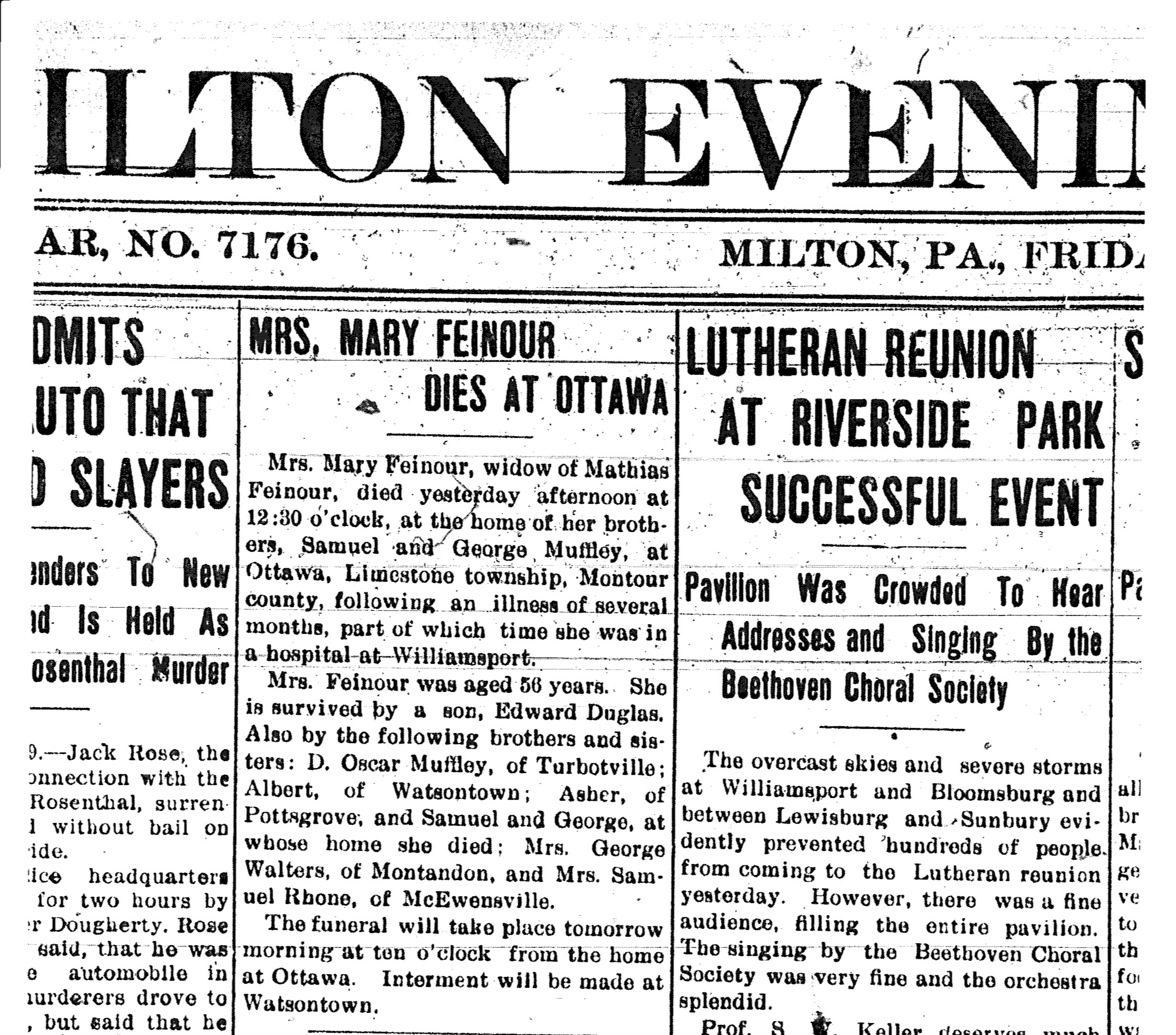
Locating historical death notices can feel like tracking down a ghost, especially when dealing with records predating the widespread digitization of newspapers. Whether you are building a genealogical family tree, verifying estate or legal history, or researching a historical figure, finding an obituary from years or even decades ago requires a structured, multi-layered approach. Modern archival technology, combined with specialized libraries and digital databases available in 2026, makes it possible to uncover records that were once buried in microfilm reels or lost in paper backlogs.
The Evolution of Historical Death Records and Digital Archives
The landscape of genealogical and archival research has shifted dramatically. While researchers historically relied exclusively on physical newspaper archives and county courthouse ledgers, modern retrieval involves navigating a mix of proprietary database platforms, localized digitization projects, and institutional repositories. Understanding how these records are preserved and indexed is the first step toward a successful search.
When a newspaper publishes a death notice or obituary, that text is typically indexed by date, surname, and geographic location. However, older records often suffer from indexing errors due to poor optical character recognition (OCR) software reading faded 19th or mid-20th-century print. Knowing how to bypass faulty search algorithms by using wildcard characters, phonetic spelling variations, and alternative database filters is an essential skill for any serious archival researcher.
Phase 1: Leveraging Major Online Newspaper Repositories
The most efficient starting point for finding an obituary from years ago is searching through major consolidated digital newspaper archives. These platforms hold billions of scanned pages from local, regional, and national publications spanning centuries.
- Ancestry.com and Newspapers.com: These platforms offer the largest searchable repositories of historical newspapers online. Newspapers.com, in particular, partners with thousands of local publishers to archive page-by-page scans. Subscription tiers dictate access depth, but many local public libraries provide free in-branch access to publisher editions.
- GenealogyBank: Highly effective for mid-sized and smaller local newspapers that larger aggregators might miss. It indexes historical obituaries, marriage notices, and birth announcements dating back to the late 1700s.
- Chronicling America (Library of Congress): A free public resource maintained by the National Endowment for the Humanities and the Library of Congress. It provides digitized historical American newspapers and a directory of U.S. newspapers published since 1690.
- Google News Archive: Though Google scaled back its direct newspaper scanning initiative years ago, millions of archived pages remain searchable via standard Google web searches or specialized boolean query parameters.
Phase 2: Utilizing Free Public Records and Vital Statistics
If commercial newspaper databases yield no results, the next logical step involves examining government and public institutional records. Death certificates, probate files, and cemetery registries often contain the exact biographical data needed to cross-reference and find a missing obituary.
- State and County Vital Records Offices: Requesting a certified death certificate provides the exact date of death, place of death, and the name of the funeral home handling arrangements.
- Local Public Libraries and Historical Societies: Most county libraries maintain hyper-local historical archives that include vertical files, obituary card catalogs, and regional directories not indexed by national web crawlers.
- Find a Grave and BillionGraves: These massive crowdsourced cemetery databases link headstone transcriptions directly to biographical profiles, frequently embedding full or partial transcriptions of historical obituaries provided by volunteer researchers.
- Social Security Death Index (SSDI) and Derivative Databases: Platforms like FamilySearch host searchable indexes of deceased individuals receiving Social Security benefits, providing precise death dates that can be plugged back into newspaper search engines to narrow down the publication window.
Comparing Historical Obituary Search Platforms
To maximize your research efficiency, evaluate which database fits your specific geographic region, temporal range, and budget constraints.
| Platform Name | Primary Time Range | Access Type | Best Suited For |
|---|---|---|---|
| Newspapers.com | 1700s – Present | Paid Subscription (Free via Library) | Broad daily newspaper coverage across the U.S. and international regions. |
| Chronicling America | 1690 – 1963 | 100% Free Public Domain | Early American history, rare regional papers, and federal historical data. |
| GenealogyBank | 1690 – Present | Paid Subscription | Mid-sized town newspapers and specialized historical vital records. |
| Find a Grave | Variable (Centuries) | Free (Community Driven) | Cemetery-to-obituary cross-referencing and grave location mapping. |
| Local County Library | Varies by Region | Free (In-Person/Remote) | Microfilm research, local clippings, and un-digitized regional weeklies. |
Archivist Pro-Tip for Stubborn Searches
Embrace Phonetic and Typographical Variations: Historical transcription errors are common. If searching for the surname "Schuyler," try searching for "Skyler," "Schuler," or even partial string searches like "Schuy*." Always search by the maiden name of female ancestors, as historical obituaries frequently listed married women under their husband's full name (e.g., "Mrs. John Doe").
Step-by-Step Methodology for Uncovering Hard-to-Find Notices
When a straightforward name and date search returns zero results, you must employ advanced investigative strategies. Follow this structured workflow to break through research brick walls:
- Step 1: Expand the Date Range: Newspapers did not always publish obituaries the day after death. In earlier decades, notice delays of three days to two weeks were common due to postal transit times and family travel arrangements. Search a window of 14 days following the estimated date of death.
- Step 2: Identify the Operating Funeral Home: Contact historical funeral homes operating in the target city during the year in question. Many long-standing mortuaries maintain private, un-digitized internal record books containing client ledgers, floral card logs, and preserved obituary clippings.
- Step 3: Leverage Probate and Court Records: Search local county courthouse probate dockets. Estate settlements, wills, and guardianship filings name surviving heirs, relationships, and exact dates of passing, providing crucial corroborating details for newspaper archive queries.
- Step 4: Contact Local Historical Societies Directly: If online search strings fail, send a targeted research request to the historical society or genealogical society based in the town where the individual lived. Staff and dedicated volunteers often have physical access to local morgue files and clipping binders that are invisible to web search engines.
Frequently Asked Questions
How can I find an obituary if I only know the approximate year someone died?
Start by running a broad query across a consolidated database like Newspapers.com or Chronicling America using just the person's name and a wide date range. Cross-reference any matching results with the Social Security Death Index or Find a Grave to confirm the exact date before conducting a targeted local newspaper search.
Are all old obituaries available to view for free online?
No. While government-funded repositories like Chronicling America and crowdsourced platforms like Find a Grave are free, the vast majority of commercial newspaper archives require a paid subscription. However, many municipal and university libraries offer free remote or in-branch access to these premium databases via a library card.
What should I do if the local newspaper from that era is completely lost?
If the primary local newspaper was never archived or has been destroyed, look for neighboring county newspapers that may have picked up regional wire stories or carried the death notice. Additionally, check church newsletters, alumni association magazines, and fraternal organization bulletins (such as the Freemasons or Odd Fellows) active during that era.
Can I request old obituaries directly from a library?
Yes. Most local public libraries accept historical research requests via email or mail. While extensive searches may incur a minor administrative or copying fee, reference librarians are often exceptionally skilled at locating regional microfilmed records that do not appear in standard web searches.
Why is an obituary missing from the newspaper on the day after the death?
Delays in communication, postal distribution issues, or family decisions regarding memorial services frequently caused obituaries to appear several days or even weeks after a person passed away. In some historical cases, families published memorial notices weeks later on the anniversary of the death rather than immediately following the funeral.
Begin Your Historical Search Today
Uncovering an obituary from years ago requires patience, strategic keyword planning, and a willingness to explore both digital databases and physical archives. Begin by gathering all known vital data points—such as birth years, residence locations, and family member names—and utilize consolidated platforms like Newspapers.com or free resources like the Library of Congress. For assistance with particularly elusive historical records, visit your local public library branch or contact regional historical societies to unlock specialized local collections today.