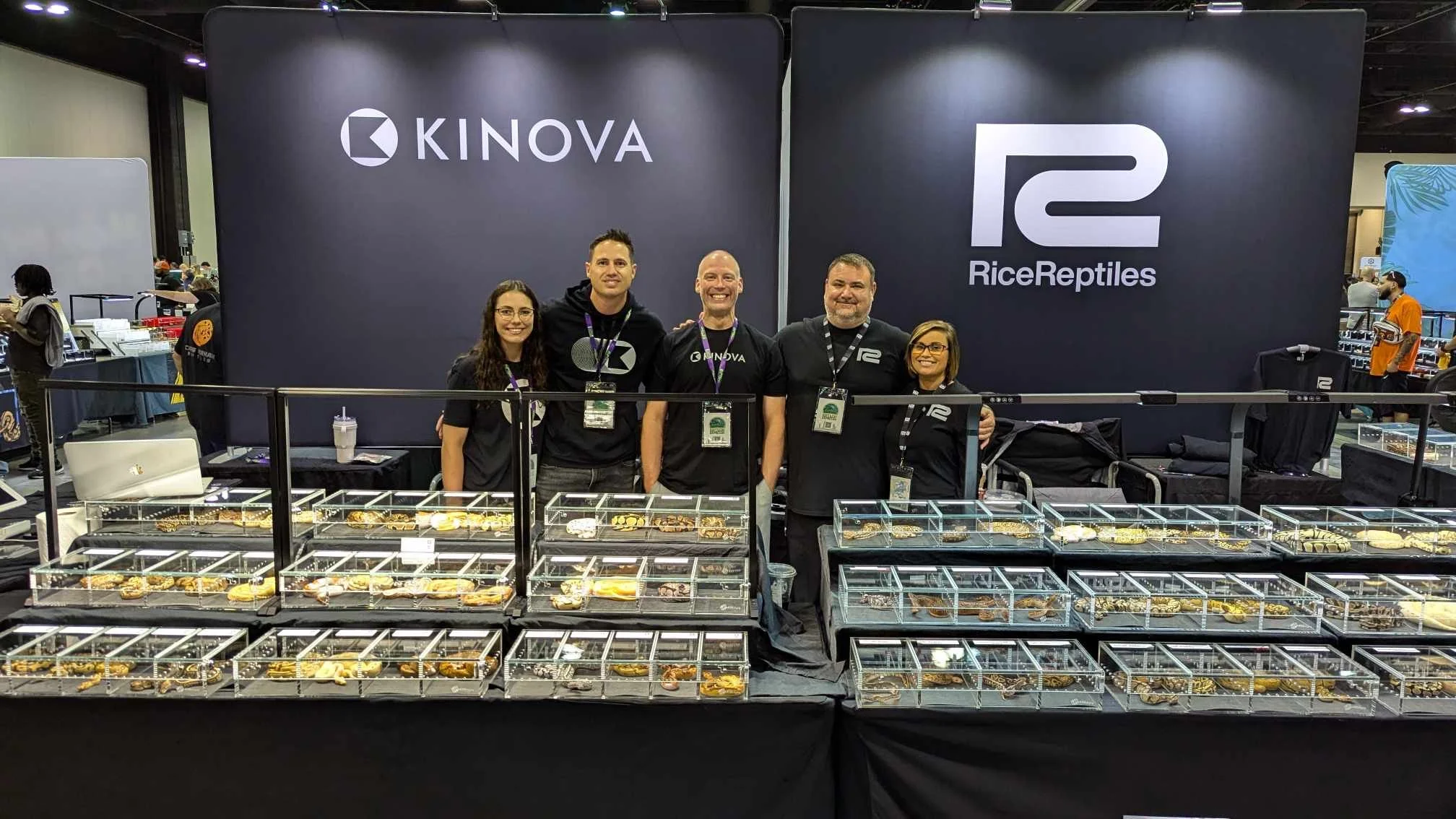
The Hamburg Reptile Expo—officially recognized throughout the hobby as the Northwestern Berks Reptile Show or simply the Hamburg Show—stands as one of the longest-running and most influential captive-bred reptile and amphibian exhibitions in the United States. Held multiple times per year at the historic Hamburg Field House in Berks County, Pennsylvania, this gathering unites commercial breeders, hobbyists, field herpetologists, and equipment fabricators from across the eastern seaboard and beyond.
Clarification Note: This guide focuses specifically on the legendary regional gathering in Hamburg, Pennsylvania, USA, distinct from European reptile fairs such as Terraristika Hamm in Germany or small local swap meets.
Operating under rigorous state and local frameworks, the Hamburg show provides a specialized marketplace for healthy, captive-bred exotic reptiles, amphibians, arachnids, live feeders, specialized bio-active vivarium supplies, and professional-grade caging systems. Navigating the 2026 event schedule requires a firm grasp of venue logistics, legal compliance under Pennsylvania wildlife statutes, biosecurity practices, and transactional protocol.
2026 Venue Logistics, Dates, and Planning Specifications
Securing quality livestock and equipment at Hamburg requires tactical planning. The venue operates at high density, drawing thousands of attendees during early morning rush windows.
Location and Facilities
- Facility: Hamburg Field House
- Address: 127 South 4th Street (rear of Pine Street), Hamburg, PA 19526
- Transit Access: Direct access off Interstate 78 (Exit 29 or Exit 30), positioned between Allentown and Harrisburg, providing straightforward arterial connections from New York, New Jersey, Maryland, and Ohio.
- Parking Infrastructure: On-site lot parking adjacent to the Field House and supplemental municipal street parking throughout the borough of Hamburg. Early arrival is mandatory for close proximity parking, particularly for buyers transporting insulated transport boxes or heavy glass enclosures.
2026 Event Calendar and Operational Hours
The Hamburg show continues its traditional Saturday-only schedule throughout 2026. Doors consistently adhere to standard operating windows:
- VIP / Early Bird Entry: 7:30 AM – 9:00 AM (Vendor and registered early-access queues)
- General Public Admission: 9:00 AM – 4:30 PM
- Projected 2026 Seasonal Run: Shows occur roughly every two months across the year, typically featuring winter (February), spring (April), early summer (June), late summer (August), autumn (October), and holiday (December) editions. Exact single-day dates are published cyclically by show administration.
Admission Costs and Entry Procedures
- General Admission: $12.00 to $15.00 for adults (cash remains preferred at box office ticket booths to expedite entry).
- Children (under 5): Free admission with accompanying adult.
- Payment Realities: While admission ticket counters generally operate cash lines to mitigate network drops, individual vendors increasingly accept contactless mobile payments, credit processors, and electronic peer-to-peer applications. However, cellular reception inside the structural brick-and-steel field house can suffer peak-hour throttling; bringing sufficient physical currency ensures uninterrupted purchasing negotiations.
Legal Compliance and Animal Regulations in Pennsylvania
The trade of herpetofauna in Pennsylvania operates under distinct statutory boundaries established by the Pennsylvania Fish and Boat Commission (PFBC), the Pennsylvania Game Commission (PGC), and the Pennsylvania Department of Agriculture. Both vendors and buyers at the Hamburg Expo must align strictly with Title 58 of the Pennsylvania Code.
Title 58 PA Code Compliance Highlights: - Possession of native Pennsylvania species collected from the wild is strictly prohibited. - Captive-bred native species sales require verifiable documentation and statutory compliance. - Venomous species transactions adhere to strict transport, container, and labeling rules.
Native Species Restrictions
The PFBC maintains direct authority over all native Pennsylvania reptiles and amphibians. Under Title 58, Chapter 79, native herpetofauna such as Timber Rattlesnakes (Crotalus horridus), Eastern Copperheads (Agkistrodon contortrix), Eastern Box Turtles (Terrapene carolina carolina), and Wood Turtles (Glyptemys insculpta) are subjected to severe possession, propagation, and commercial bans.
Native species collected from the wild inside Pennsylvania cannot be bought, sold, or bartered at the show. Non-native color morphs or documented captive-bred variants of select species must carry absolute vendor provenance.
Venomous Herpetofauna and Caging Mandates
Venomous reptiles—commonly referred to in the trade as "hots"—remain a specialized segment of the Hamburg expo, subject to rigorous containment mandates. Pennsylvania does not enforce a statewide blanket ban on private venomous possession, but show management and local ordinances impose zero-tolerance security rules:
- Double-Containment: All venomous reptiles displayed or sold must be secured inside puncture-proof, escape-proof transparent containers, heat-sealed or taped completely around perimeter lids, and clearly labeled with both the scientific and common name alongside direct venom classification warnings.
- Sales Protocol: Venomous sales mandate adult verification (age 18 or 21 depending on specific vendor policies) and immediate containment within structural secondary transport coolers or locking transfer boxes. Free-handling or opening containers inside the field house is strictly forbidden and results in immediate expulsion and statutory trespass citations.
Market Inventory: What You Will Find on the Floor
The Hamburg Field House hosts hundreds of vendor tables representing every tier of the modern herpetocultural industry. The selection is diverse, running the gamut from beginner-friendly colubrids to ultra-rare, lineage-tracked monitors and advanced bioactive botany.
Captive-Bred Livestock Categories
- Ball Pythons (Python regius): Extensive multi-gene combinations, basic co-dominant mutations (Pastel, Spider, Enchi), recessive projects (Clown, Piebald, Desert Ghost), and newly validated polygenic lines.
- Colubrids: Advanced Western Hognose (Heterodon nasicus) morphs, domestic and international locality Corn Snakes (Pantherophis guttatus), California Kingsnakes (Lampropeltis californiae), and Old World rat snakes.
- Geckos: New Caledonian species including Crested Geckos (Correlophus ciliatus), Gargoyle Geckos (Rhacodactylus auriculatus), and Leachianus Geckos; alongside high-end Leopard Gecko (Eublepharis macularius) morph lineages.
- Lizards and Monitors: Captive-bred Bearded Dragons (Pogona vitticeps), Uromastyx, Blue-Tongued Skinks (Tiliqua), and dwarf monitor species (Varanus acanthurus).
- Amphibians: Micro-captive Poison Dart Frogs (Dendrobatidae), captive-reared Pacman Frogs (Ceratophrys), Australian White's Tree Frogs (Litoria caerulea), and native-legal exotic salamanders.
- Invertebrates: Massive varieties of captive-bred tarantulas (Theraphosidae) spanning Old World and New World families, scorpius varieties, predatory centipedes, and dedicated bioactive clean-up crews (Isopods, Collembola).
Hardware, Husbandry Systems, and Nutrition
Beyond living stock, Hamburg functions as a prime logistical supply depot. Attendees avoid high retail shipping fees on high-mass husbandry components:
- Enclosures: Flat-pack PVC terrariums, extruded aluminum habitats, and commercial stacking breeding racks.
- Substrates and Hardscape: Bulk virgin cork bark rounds and flats, Malaysian driftwood, ghost wood, cypress mulch, and organic bioactive soil blends.
- Thermoregulation and Lighting: Digital proportional pulse thermostats, dimming units, ceramic heat emitters, deep-heat projectors, and verified high-output T5 UVB linear fluorescent systems.
- Feeders and Supplements: Bulk live rodent suppliers (rats and mice across all weight classifications), frozen-thawed feeders packed on dry ice, dubia roaches, hornworms, black soldier fly larvae, and micro-minerals.
Vendor Comparison: Product Mix and Transaction Profiles
Understanding vendor types helps attendees direct their focus and budget to the right tables during crowded hours.
| Vendor Archetype | Primary Offerings | Price Competitiveness | Best Suited For | Critical Verification Requirement |
|---|---|---|---|---|
| Specialized Master Breeders | Lineage-specific single species (e.g., pure Morelia, specialized Heterodon) | Premium / Firm pricing | Advanced hobbyists, institutional breeders | Pedigree records, hatch dates, feeding charts |
| Commercial Generalist Breeders | Popular beginner morphs, bulk corn snakes, bearded dragons, common geckos | Moderate / Volume discounts | First-time keepers, casual hobbyists | Visual inspection of vent, clear eyes, hydration |
| Bioactive & Botanical Specialists | Live epiphytes, micro-fauna (Isopoda), custom bioactive substrate, wood | Market competitive / Bundle rates | Naturalistic enclosure designers | Pest-free plant certification, mold-free media |
| Dry-Goods & Caging Fabricators | PVC racks, glass terrariums, thermostats, linear UVB ballasts | High value (saves shipping freight) | Keepers renovating animal rooms | Sizing specs, warranty on electrical components |
| Feeder Insect & Rodent Wholesale | Bulk frozen-thawed rodents, live crickets, dubia colonies | Wholesale / Bulk volume tiers | Keepers with multi-animal collections | Temperature stability of coolers during transit |
Quarantine, Biosecurity, and Acquisition Strategy
Bringing an animal home from an expo floor without strict biosecurity protocols puts your entire existing collection at risk. Pathogens spread easily in densely packed environments through shared air, handling, and contact with equipment.
Mandatory Quarantine Standards
Dedicated quarantine enclosures must be located in an isolated room separate from the primary collection. Maintain this isolation for a minimum of 90 days. Keep dedicated handling instruments, feeding tongs, and cleaning supplies assigned exclusively to the quarantine space, and tend to these animals only after completing chores in your main reptile room.
Incoming Specimen Intake Workflow: 1. Physical Baseline Inspection (Mouth, Vents, Scales, Eyes) 2. Immediate Hydration & Electrolyte Bath (if clinically appropriate) 3. Placement into Sterile Substrate Enclosure (Paper Towels) 4. Active Parasite Screening (External Mites & Internal Fecal Flotation)
Pathogen Awareness and Mitigation
Expos present potential exposure vectors for significant infectious diseases:
- Ophidiomyces ophiodiicola (Snake Fungal Disease): Look for crusty lesions, localized scale displacement, or facial swelling.
- Nidovirus / Serpentovirus: In pythons and boas, watch for excess clear mucus, open-mouth breathing, or respiratory wheezing.
- Cryptosporidiosis: In leopard geckos and colubrids, examine the specimen for mid-body swelling, persistent regurgitation, or severe emaciation ("pencil tail").
- Ophionyssus natricis (Reptile Mite): Inspect the eyes, heat pits, and sub-caudal scales closely. A single infested animal brought home can rapidly contaminate an entire facility.
Step-by-Step Acquisition and Acclimation Guide
- Targeted Assessment: Inspect your chosen animal inside its display tub under clear light. The animal should exhibit alert motor reflexes, a clean cloacal vent free of dried urates or feces, clear nares, and optimal body mass index (no visible spinal ridge cleavage or skin folds).
- Vendor Interrogation: Ask pointed technical questions: What specific prey item and size is it currently feeding on? Is it taking live, pre-killed, or frozen-thawed? What was the date of its last shed and last successful meal? Request the vendor’s contact card for post-sale support.
- Transport Thermal Stabilization: Keep the animal in an insulated cooler or insulated canvas carrier during the drive home. In cold months, use temperature-regulated shipping warmers separated from direct container contact by insulating cardboard or cloth. Never leave livestock inside a vehicle trunk or direct sunlight.
- Sterile Quarantine Enclosure Setup: House the specimen on plain white paper towels rather than natural substrate for the first 90 days. This makes monitoring droppings, detecting regurgitations, and identifying external parasites immediate and obvious.
- Baseline Veterinary Diagnostics: Collect a fresh fecal sample within the first three weeks of ownership and submit it to a licensed exotics veterinarian for direct microscopic examination and fecal flotation to screen for internal parasites.
Evaluating the Hamburg Experience: Pros and Cons
Navigating the Hamburg Reptile Show requires balancing its clear benefits against the logistical challenges of an older, high-traffic venue.
Pros
- Massive Species Variety: Offers one of the widest varieties of high-end morphs, obscure colubrid species, and diverse invertebrates anywhere on the East Coast.
- Direct Breeder Pricing: Eliminates retail markups and avoids the steep fees and temperature-related risks of commercial overnight parcel shipping.
- Direct Breeder Transparency: Gives you the opportunity to speak face-to-face with the actual breeders, inspect the health of their animals in person, and evaluate their professional knowledge.
- Bulk Dry-Goods Logistics: Buying bulky bags of substrate, large branches, background materials, and rigid PVC enclosures in person eliminates expensive freight charges.
Cons
- Heavy Crowd Density: The Hamburg Field House features traditional architecture with narrow aisles that can become intensely congested between 9:30 AM and 1:00 PM.
- Variable Indoor Temperatures: Depending on the season, the older heating and ventilation systems can lead to interior conditions that range from chilly to uncomfortably warm.
- Inconsistent Vendor Quality: While most sellers are top-tier professionals, some exhibitors may offer wild-caught imports or specimens of uncertain health. Buyers need to perform their own careful due diligence.
- Parking Bottlenecks: Arriving late often means parking several blocks away in the residential areas of Hamburg and carrying heavy gear back to your vehicle on foot.
Frequently Asked Questions
Can I bring my personal pet reptile to the Hamburg show?
No, personal pets are strictly prohibited from entering the Hamburg Field House. Only registered, pre-approved vendor livestock permitted by event security may enter the premises. This rule helps maintain biosecurity, reduce stress on animals, and prevent pathogen transfer.
What is the best time of day to arrive at the Hamburg Reptile Expo?
Arriving early, between 8:00 AM and 8:30 AM, lets you join the initial admission queue and access the floor right at the 9:00 AM opening. This window is ideal for purchasing rare morphs and specialty species before they sell out. If you are looking for discounts on bulk feeders, substrates, and basic dry goods, attending later in the afternoon (after 1:30 PM) offers lighter crowds and more room to negotiate.
Does the venue have an ATM, and do vendors take credit cards?
The Hamburg Field House usually has an ATM in the main lobby, but it frequently runs out of cash during high-volume morning rushes. Most modern vendors accept payment platforms like Square, Venmo, or Zelle, though cellular dead zones inside the masonry structure can disrupt these connections. We strongly recommend bringing enough physical cash to cover your expected purchases.
How are venomous snake sales handled and monitored at the show?
Venomous reptiles are kept in securely sealed, tamper-evident containers that must be double-bagged or placed inside hard-sided transport boxes before leaving the vendor's table. Pennsylvania state authorities and local coordinators strictly enforce these containment protocols. Free-handling of venomous animals inside the venue is zero-tolerance and will result in immediate removal.
What happens if I discover health issues with my new animal after the show?
Show management provides a transactional venue, but the purchase contract exists directly between you and the independent vendor. Always get a business card with a direct email, physical address, and phone number before completing your purchase. Responsible breeders provide health guarantees ranging from 48 hours to 14 days, provided you supply proof of proper husbandry and immediate isolation.
Maximizing Your Hamburg Expo Experience
Attending the Hamburg Reptile Expo pays the highest dividends to the well-prepared keeper. Before heading to the Field House, verify your home terrariums are fully set up, thermally stabilized, and verified with reliable digital hygrometers and infrared thermometers. Bring an insulated transport container, keep cash on hand for high-value negotiations, and hold your acquisitions to strict biosecurity standards from the second they leave the show floor. Whether you are looking for an investment-grade breeding project, restocking bulk feeders, or designing a complex living vivarium, the Hamburg show remains an essential hub of the American herpetological community.