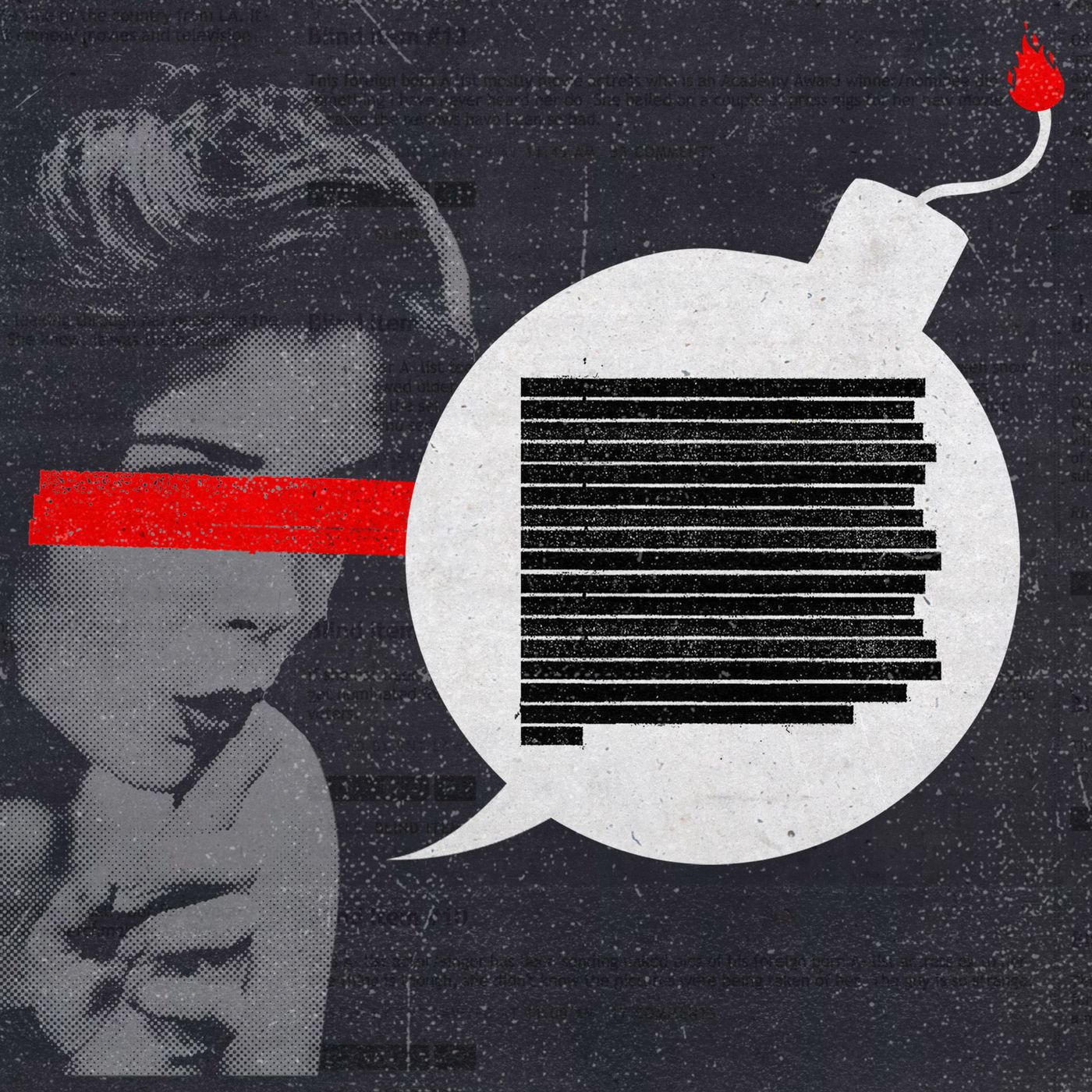
Blind items are anonymous or pseudonymous journalistic notes that share scandalous, controversial, or revealing stories about public figures without explicitly naming them. Originally rooted in print media gossip columns and industry trades, these items rely on carefully curated clues, circumstantial context, and reader deduction to invite public speculation while protecting publishers from direct defamation liabilities.
Origins and Evolution of the Blind Item Format
The tradition of the blind item dates back to the earliest days of mass-market entertainment journalism and print media. Long before the rise of digital forums and dedicated gossip sites, print columnists used coded anecdotes to report on Hollywood elite, political figures, and socialites whose powerful public relations teams tightly controlled traditional media narratives.
In the mid-to-late 20th century, legendary gossip columnists perfected the art of the unnamed item. Writers like Hedda Hopper and Louella Parsons in the golden age of Hollywood, and later columnists like Liz Smith and Cindy Adams, frequently dropped hints about illicit affairs, studio disputes, and erratic behavior on sets. These items were designed to satisfy the public appetite for sensational news while remaining legally defensible. Because no real names were printed, the subject of the item could not easily prove defamation in a court of law, provided the clues were sufficiently ambiguous or open to multiple interpretations.
As media consumption shifted from print newspapers and magazines to online blogs and forums, the format underwent a radical transformation. Websites dedicated entirely to blind items emerged, turning what was once a paragraph in a daily newspaper column into an interactive, crowd-sourced investigation. Platforms like Crazy Days and Nights, founded by an anonymous entertainment lawyer, popularized the daily drop of serialized blind items. These sites transformed passive readers into active sleuths who analyze clues, cross-reference timelines, and debate theories in the comments sections.
How Blind Items Are Structured and Decoded
Understanding how a blind item is constructed requires examining both the narrative technique of the writer and the analytical approach of the reader. A well-crafted blind item typically contains a balance of sensational premise and specific, albeit obscured, identifiers.
The structure of a modern blind item generally follows a distinct pattern:
- The Hook: An opening sentence that introduces a compelling or shocking premise, such as an upcoming divorce, a secret addiction, or professional sabotage behind the scenes of a major blockbuster.
- The Distractor Clues: Details that may be exaggerated, inverted, or completely fabricated to throw off casual readers or protect the identity of the subject from being solved too quickly.
- The Anchor Clues: Highly specific details—such as an actor's specific awards, a unique physical feature, a precise geographic location, or an exact quote from a past interview—that allow dedicated followers to pin down the true identity.
- The Resolution Implication: A concluding remark hinting at future consequences, such as an impending public relations crisis, a sudden career pivot, or an upcoming legal battle.
Decoding these items requires a mix of pop culture literacy, temporal awareness, and an understanding of industry PR mechanics. Sleuths often maintain spreadsheets of timelines, mapping out film production dates, award show appearances, and social media activity to match the anonymous anecdotes with real-world events.
| Era | Primary Medium | Legal Strategy | Audience Interaction |
|---|---|---|---|
| Golden Age (1930s–1960s) | Print newspapers and daily columns | Strict ambiguity and unnamed pronouns | Low; passive reading and word-of-mouth |
| Tabloid Era (1970s–1990s) | Specialized celebrity magazines | Pseudoscience, initials, and masked silhouettes | Moderate; mail-in letters and fan club debates |
| Digital Age (2000s–Present) | Dedicated blogs, forums, and social media | Pseudonymous blogging and crowd-sourced deduction | High; active comment sections, cross-referencing, and real-time sleuthing |
Legal Frameworks, Risks, and Defamation Protection
The primary motivation behind the use of blind items has always been legal protection. In jurisdictions governed by robust defamation laws, publishing false and damaging statements about a living person can result in severe financial penalties and lawsuits. To mitigate this risk, publishers rely on anonymity.
However, the legal landscape governing blind items is more complex than simply omitting a proper noun. Under common law defamation standards, a plaintiff must prove that the publication made a false statement of fact concerning them that caused reputational harm. Even if a name is omitted, a blind item can still be actionable if "of and concerning" the plaintiff can be established. This occurs when the clues provided are so specific, transparent, or unique that a reasonable reader in the community would immediately understand who is being referenced.
To navigate these risks, professional gossip writers and publishers employ several defensive tactics:
- Plausible Deniability: Ensuring that multiple clues could apply to more than one celebrity, or blending biographical details of two different individuals into a single item.
- Hyperbolic Framing: Writing items in a satirical, speculative, or rumor-based tone that signals to the reader the content is opinion or gossip rather than verified investigative reporting.
- Jurisdictional Shielding: Operating through web hosting services or corporate entities located in jurisdictions with strict speech protections or complex international legal hurdles for plaintiffs.
Despite these safeguards, the line between protected gossip and actionable defamation remains thin. Celebrities and high-profile executives occasionally issue cease-and-desist letters or file lawsuits when blind items cross the threshold from vague speculation into targeted harassment or the exposure of deeply private, non-newsworthy information.
The Psychology of the Reader and Fan Culture
The enduring popularity of blind items taps deep psychological drivers related to curiosity, justice, and community participation. In an era where mainstream celebrity profiles are heavily sanitized by public relations firms, celebrity social media feeds are curated highlight reels, and studio interviews follow strict talking points, audiences crave perceived authenticity.
Blind items offer the illusion of behind-the-scenes access. They promise a peek behind the velvet curtain of Hollywood, promising to reveal the "real" person beneath the star persona. This creates a sense of insider knowledge among readers who successfully decode the items.
Furthermore, the interactive nature of online blind item culture fosters a distinct subculture of digital detectives. Readers derive satisfaction from piecing together complex puzzles using fragments of information. This collaborative sleuthing builds strong online communities where members share theories, debate evidence, and establish internal consensus on the identities behind recurring pseudonyms.
However, this dynamic also carries significant risks. The unchecked nature of crowd-sourced speculation can easily spiral into harassment, conspiracy theorizing, and the rapid spread of entirely fabricated rumors. When an anonymous blog post is treated as verified fact by enthusiastic online communities, it can cause severe emotional, social, and professional distress for public figures who have no direct mechanism to defend themselves without drawing unwanted attention to the rumor.
Common Pitfalls and Misconceptions in Blind Item Tracking
For newcomers exploring the world of blind items, distinguishing between legitimate industry insider reporting and baseless internet fiction can be challenging. Several common misconceptions frequently mislead casual observers:
- The "Every Blind Is True" Fallacy: Many readers assume that because an item is published anonymously, it must represent forbidden truth. In reality, a significant percentage of online blind items are entirely fabricated by hoaxsters, attention-seeking bloggers, or even publicists looking to plant controlled narratives about their own clients.
- Over-Reliance on Coincidence: Sleuths often force unrelated events to fit a narrative arc. If an actor attends an event alone and a blind item mentions a troubled relationship, readers immediately connect the two, ignoring ordinary scheduling conflicts.
- Ignoring PR Maneuvers: Studios and management teams occasionally use blind items strategically—planting stories to test audience reaction to a casting rumor, build pre-release hype for a project, or distract from a different negative news story.
- Confusing Speculation with Evidence: A recurring blind item about a specific celebrity does not constitute investigative journalism. Without verifiable documentation, corroborating photographic evidence, or named sources, unverified items remain speculative fiction.
Frequently Asked Questions About Blind Items
What is the purpose of a blind item?
Blind items are published to share sensational or controversial stories about public figures without naming them directly. This format allows writers and publishers to discuss scandalous topics while reducing immediate exposure to defamation lawsuits and shielding sources who have signed non-disclosure agreements.
How can you tell if a blind item is real or fake?
There is no foolproof method to verify an unverified blind item, as they inherently lack named sources. True items often align with verifiable public timelines, industry trade reports, or legal filings that emerge months later. Fake items typically rely on generic tropes, impossible logistical timelines, or recycled rumors already circulating on social media.
Why do celebrities not sue over every blind item?
Suing over a blind item often triggers the "Streisand effect," drawing massive public attention to a rumor that would have otherwise remained obscure. Additionally, because the subject is not named, proving legal damages and establishing that the item specifically targeted the plaintiff can be legally difficult and financially costly.
Are all blind items about Hollywood celebrities?
No. While entertainment industry blind items are the most famous, the format is also used in financial journalism, political reporting, corporate media, and high-society columns to discuss powerful figures whose actions are shielded by strict legal teams or institutional secrecy.
Where do blind items typically get published?
Historically, they appeared in print gossip columns of major newspapers and magazines. In the modern digital landscape, they populate specialized gossip blogs, blind item aggregation sites, and dedicated discussion forums across platforms like Reddit and TikTok.
Conclusion and Responsible Consumption
Blind items occupy a unique, controversial niche at the intersection of entertainment journalism, legal strategy, and internet culture. While they offer an engaging puzzle for pop culture enthusiasts and a historical safety valve for industry reporting, they require a high degree of media literacy to navigate. Approaching anonymous gossip with healthy skepticism, recognizing the limitations of unverified claims, and understanding the legal motivations behind the format ensures that readers can enjoy the speculative thrill without falling prey to misinformation or unwarranted harassment.